24 November, 2026
By Vern Chan, UNSW Global Program Manager
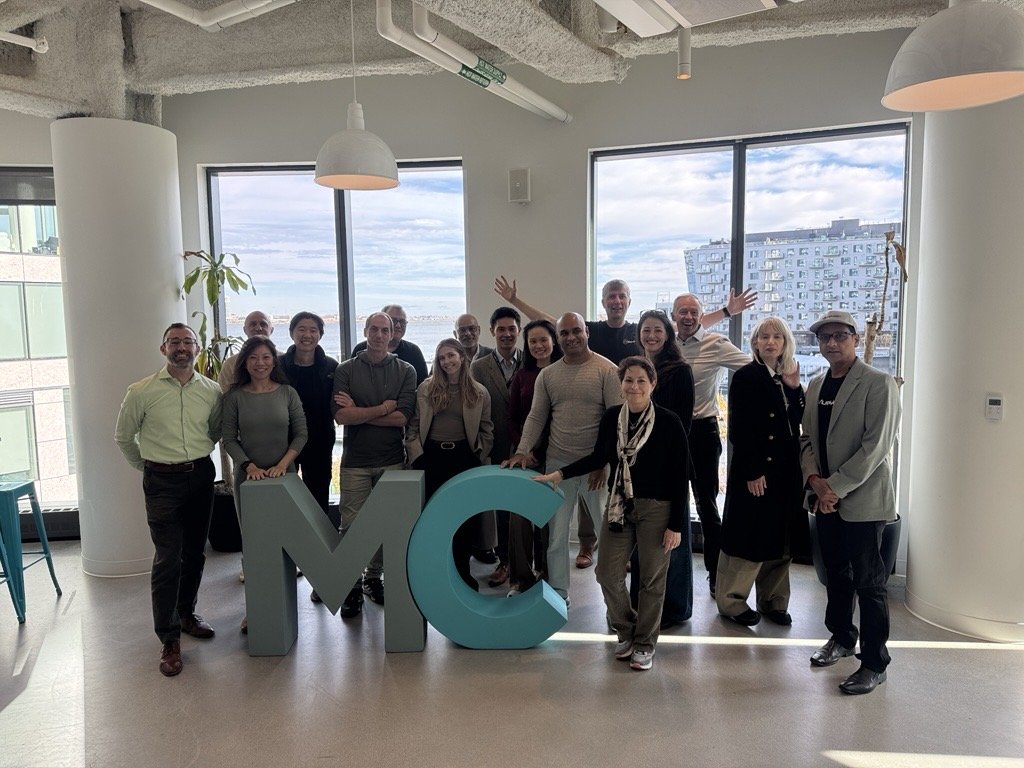
Boston’s life sciences ecosystem is striking for its density. World-class hospitals, pharma companies, universities, laboratories, investors and startups sit close together, creating a space of connection and collaboration that is hard to replicate.
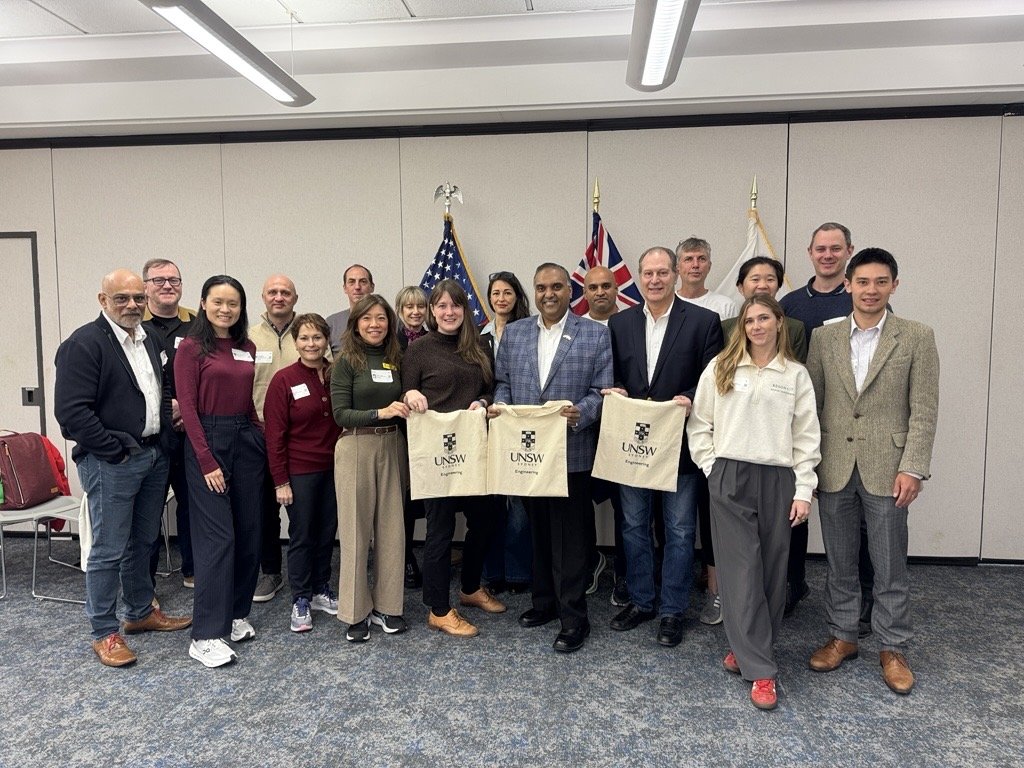
In November, the UNSW Global Innovation Foundry took 12 health and medtech startups from the UNSW Founders community to experience the Boston ecosystem firsthand. Each startup received a $5,000 Global Landing Pads grant to help fund its travel to the United States.
The trip was not simply a delegation organised for founders. It was direct financial support to help each venture explore an international market, build relationships, and test what a pathway into the US might look like. Global Landing Pads is part of UNSW’s Global Innovation Foundry, which connects startups with partners, investors and other market stakeholders.
The Boston cohort included Health 10x alumni Roam Technologies (2025), Arelis (2025), AttoQuest (2025), Preview Health (2024), VueMotion (2023), Gheorg (2023), Resonait (2022), Automi (2021), 23Strands (2020), Geney Bio (2026), Media City Scientific (2026), alongside RNAFold.Ai from UNSW Entrepreneurial Campus.
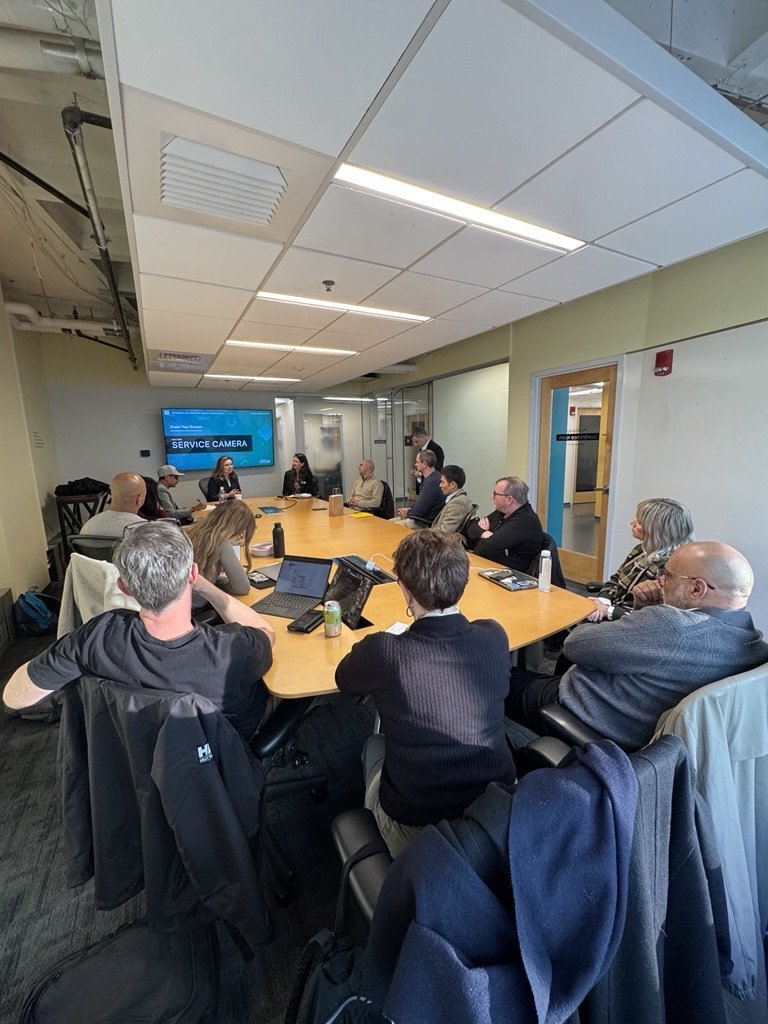
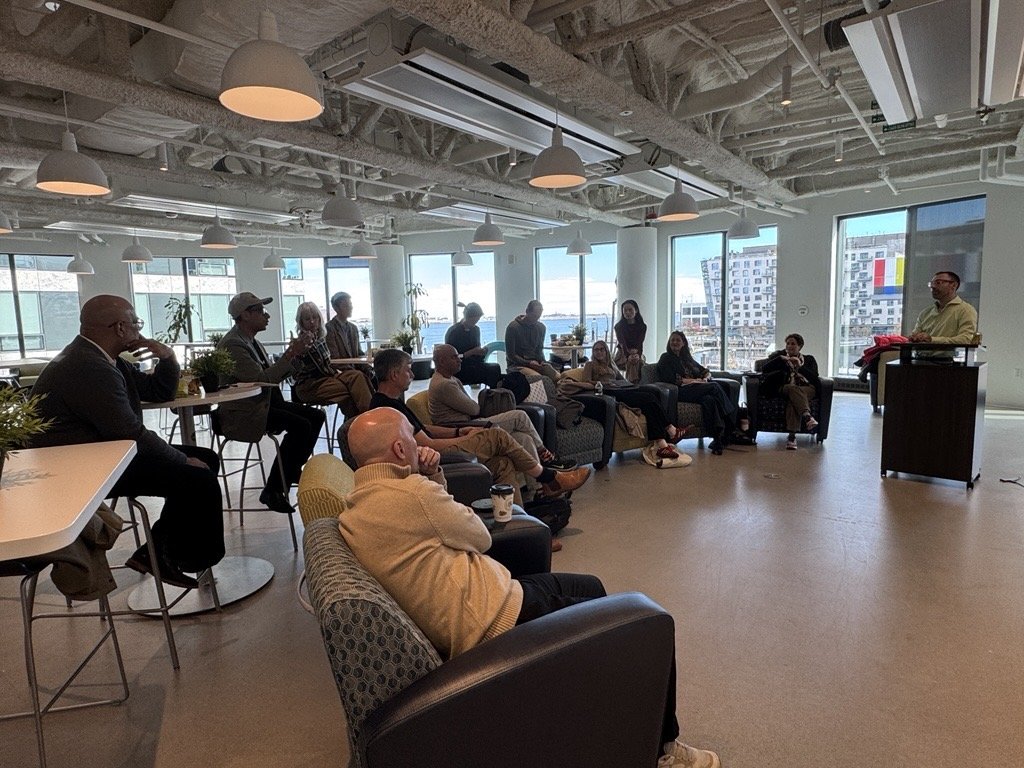
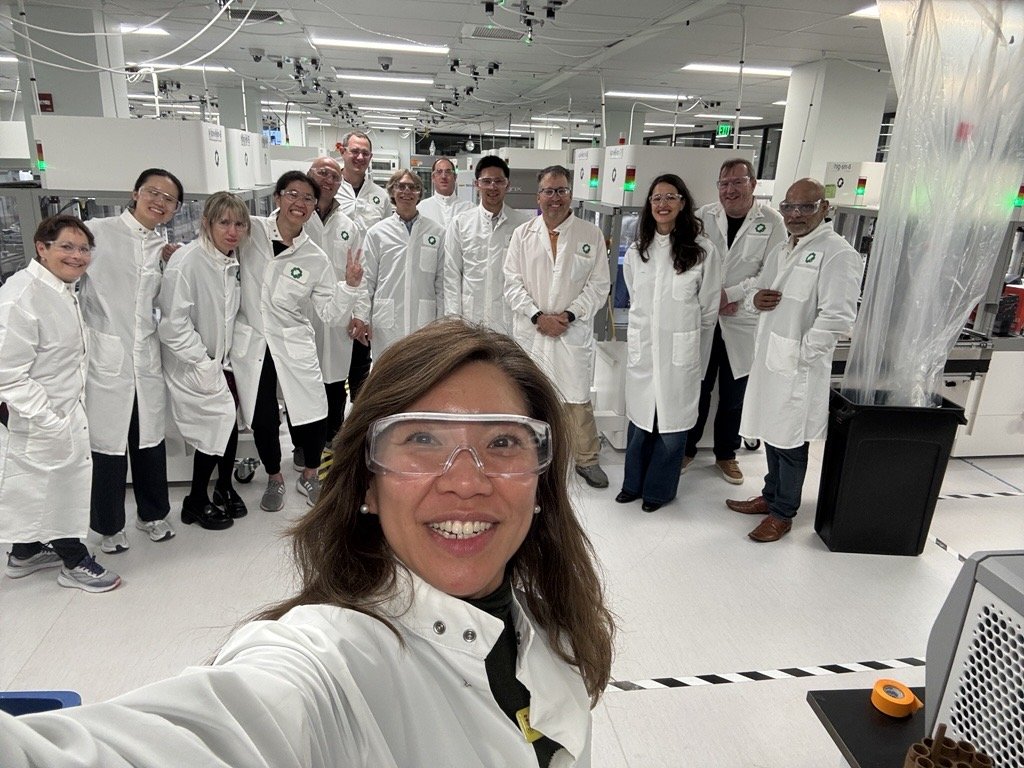
Our week began with the Massachusetts Office of International Trade and Investment, which helped us understand the state’s life sciences landscape. With support from Austrade North America, Steven Spezza, we then met people across the ecosystem, including Ginkgo Bioworks autonomous lab, Dana-Farber Cancer Institute, LabCentral’s shared laboratory and coworking facilities, Mass Global Partners, Cambridge Innovation Center, and Venture Cafe Bambridge. We also met investors and experienced operators who shared candid lessons about entering the US market.
One conversation that stayed with us was at MassChallenge, a nonprofit zero-equity entrepreneurship program. It has supported more than 5,000 startups across its programs since 2009. The message for our founders was clear: ambition and strong technology matter, but they are not enough. To make progress in the US, startups need to understand their specific market in detail: who the customers are, how purchasing decisions are made, what regulatory and commercial pathways apply, and which local partners can help them move forward.
Some of the most valuable moments happened beyond the formal schedule. A visit that a few founders were unsure about has already led to a follow-up conversation. In Boston, the close-knit ecosystem creates opportunities for useful introductions and unexpected connections, sometimes on the same day.
The Australian Boston Business Association (ABBA) hosted a networking event where UNSW alumni and Australian friends welcomed the founders. Landing in a new market can feel daunting. Meeting people who have made that journey and are willing to help others makes a difference. It was a reminder that Australia’s people abroad are an important part of our global reach.
For me, the trip showed what support for startups can look like beyond a structured accelerator. Accelerators help founders build capability. Global Landing Pads can help them take the next step: getting into a market, learning directly from it and beginning relationships that may support future growth. Through the Global Innovation Foundry, UNSW is working to make that kind of global opportunity more accessible to startups ready to scale.
Boston did not provide a shortcut into the US. It gave our founders a closer view of the work ahead, and new connections to help them take it on.