SDG Impact Lab
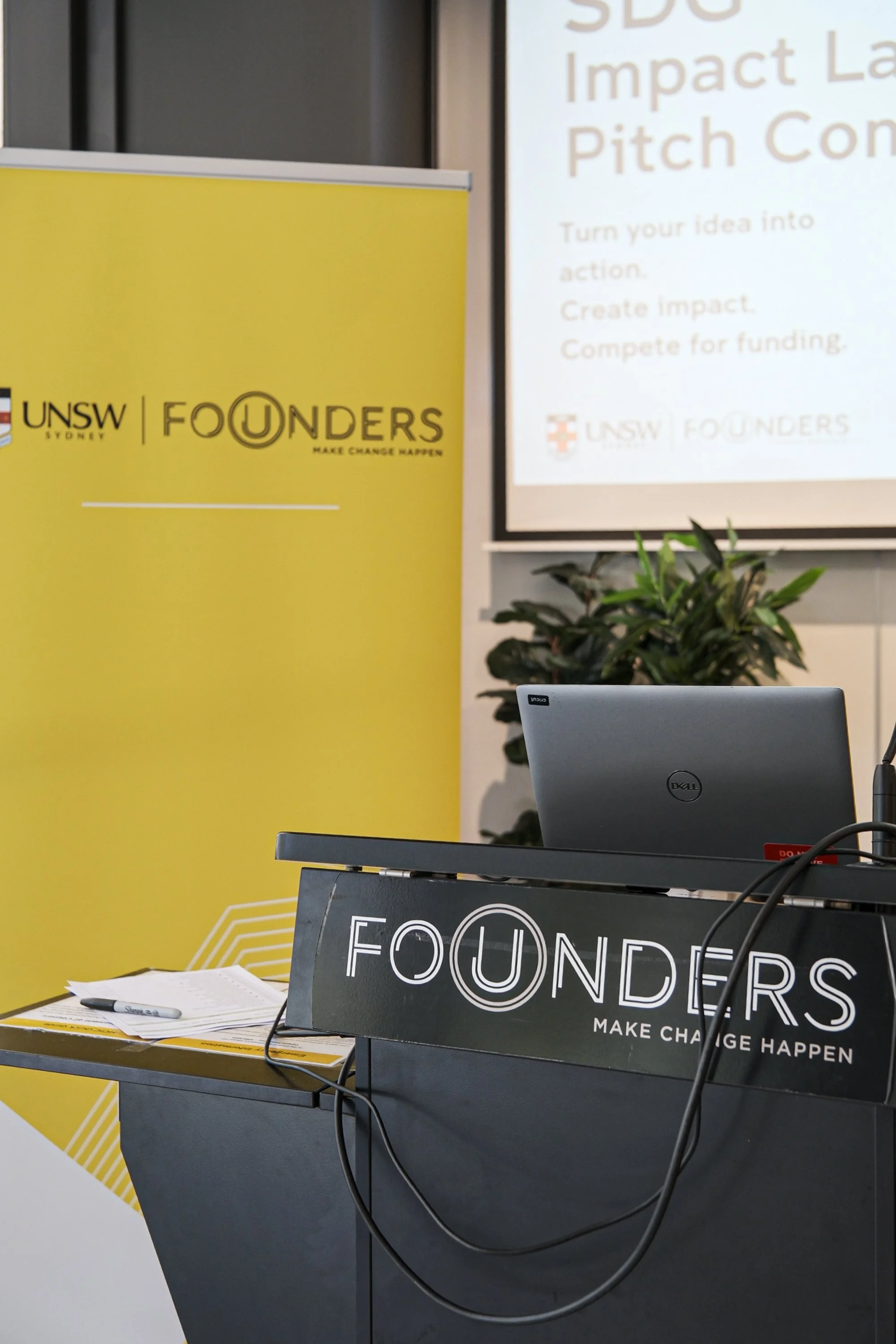
Turn your idea into action. Create impact. Compete for funding.
The SDG Impact Lab brought students together to develop practical responses to challenges linked to the United Nations Sustainable Development Goals (SDGs).
Students explored issues including climate action, health, education, social justice, diversity and inclusion, and community development. They shaped their ideas through workshops and mentoring from UNSW Founders, UNSW Business School and Equity, Diversity & Inclusion.
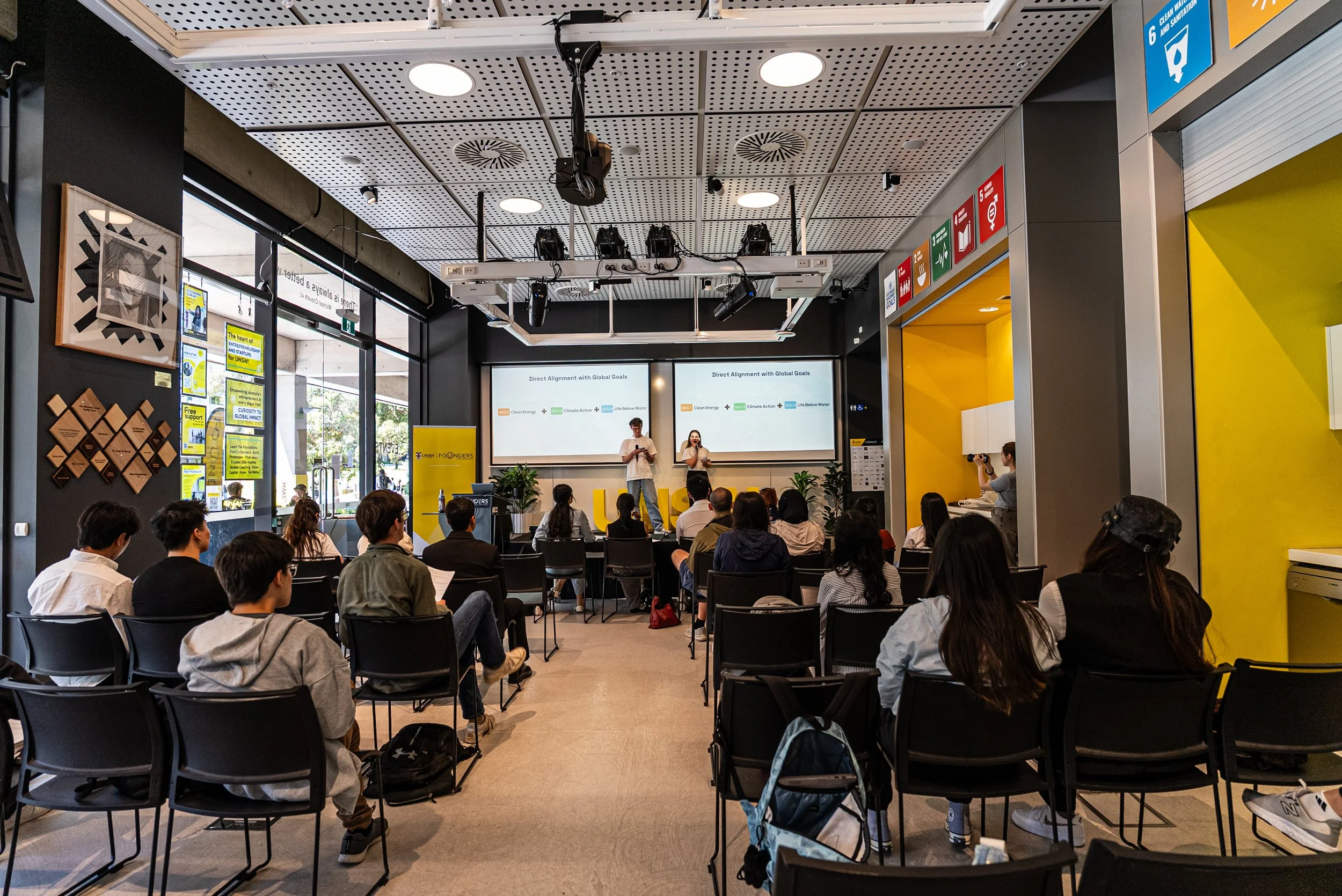
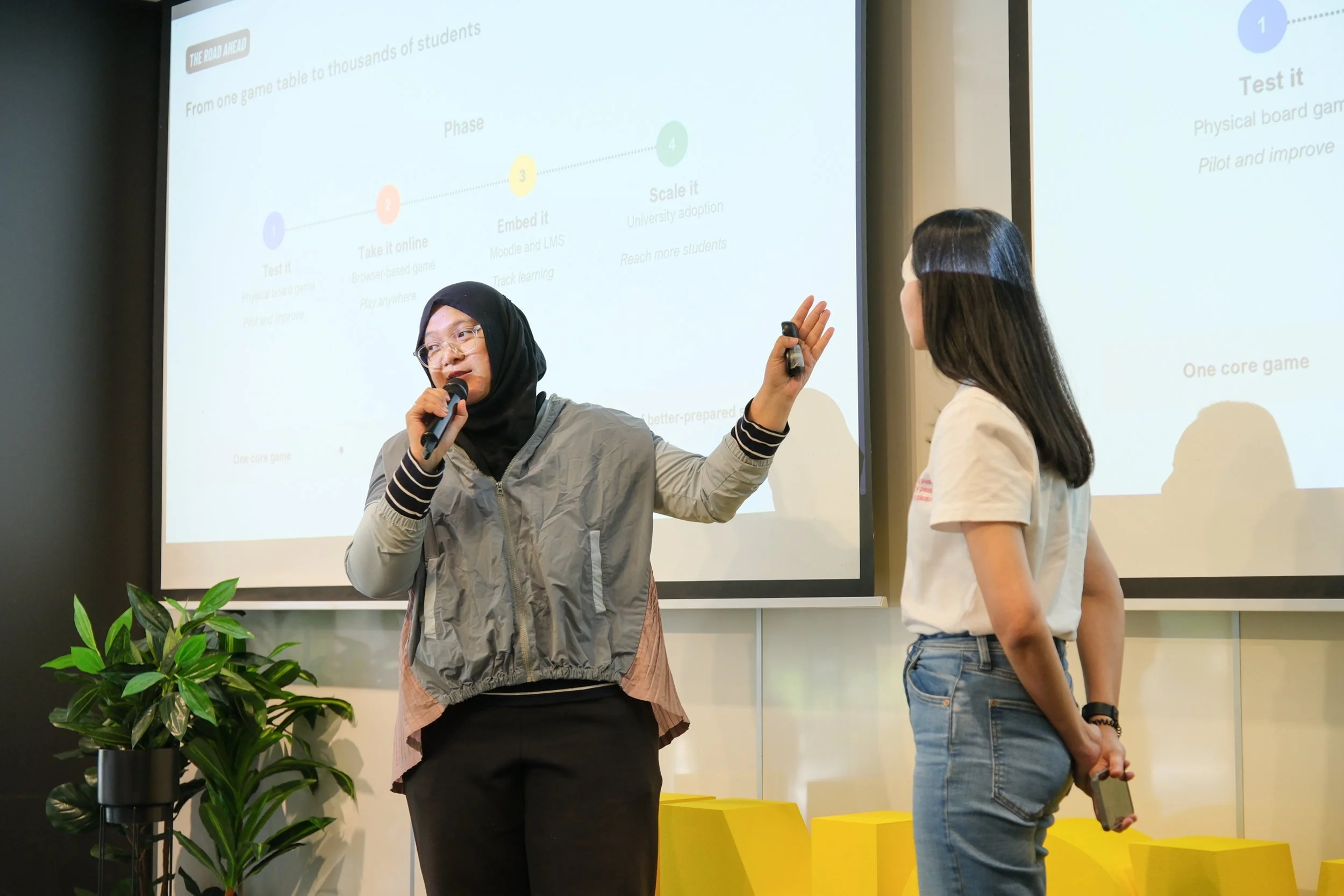
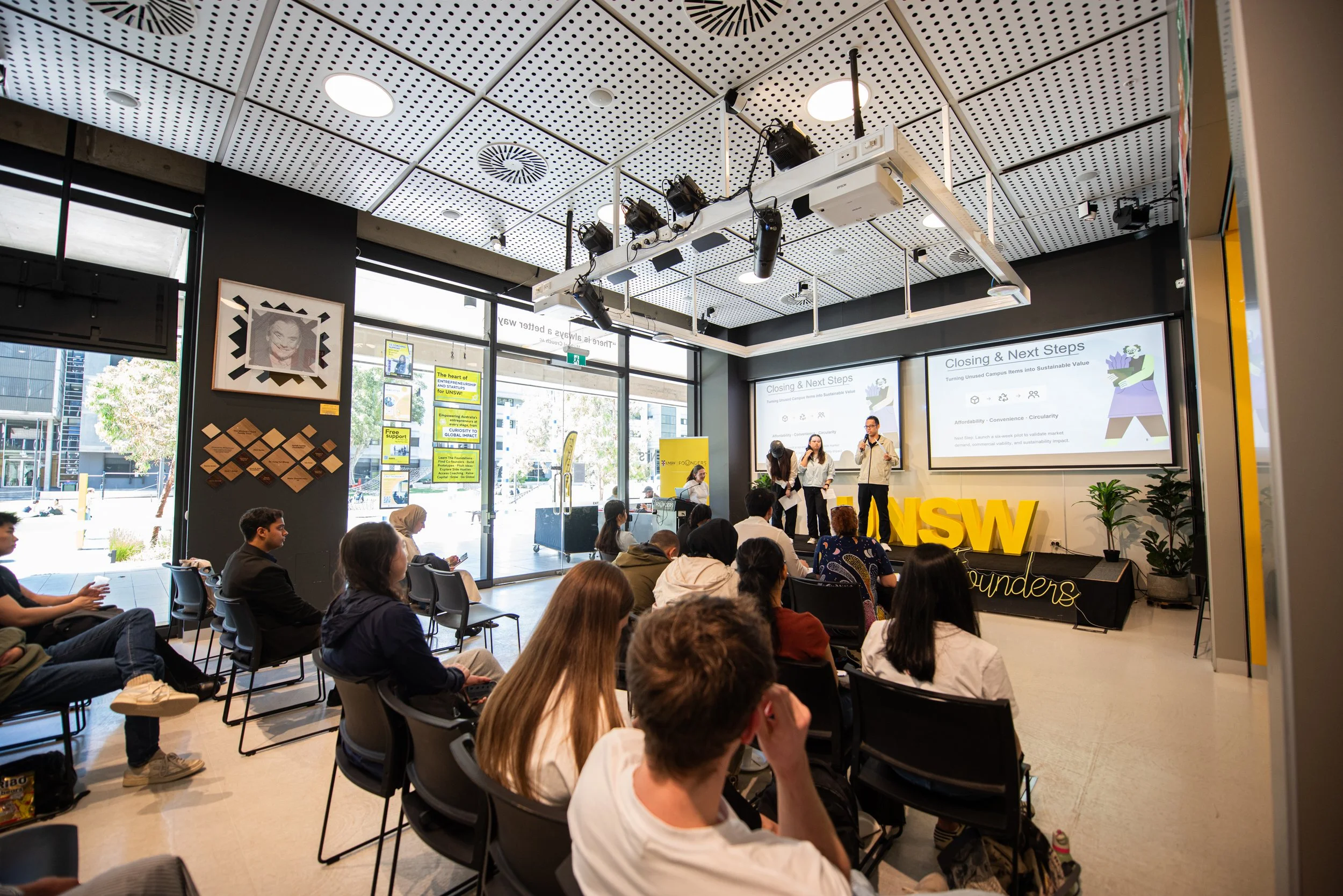
At the final pitch, teams presented their SDG action plans and competed for micro-grants of up to $2,000 to help put their ideas into action.
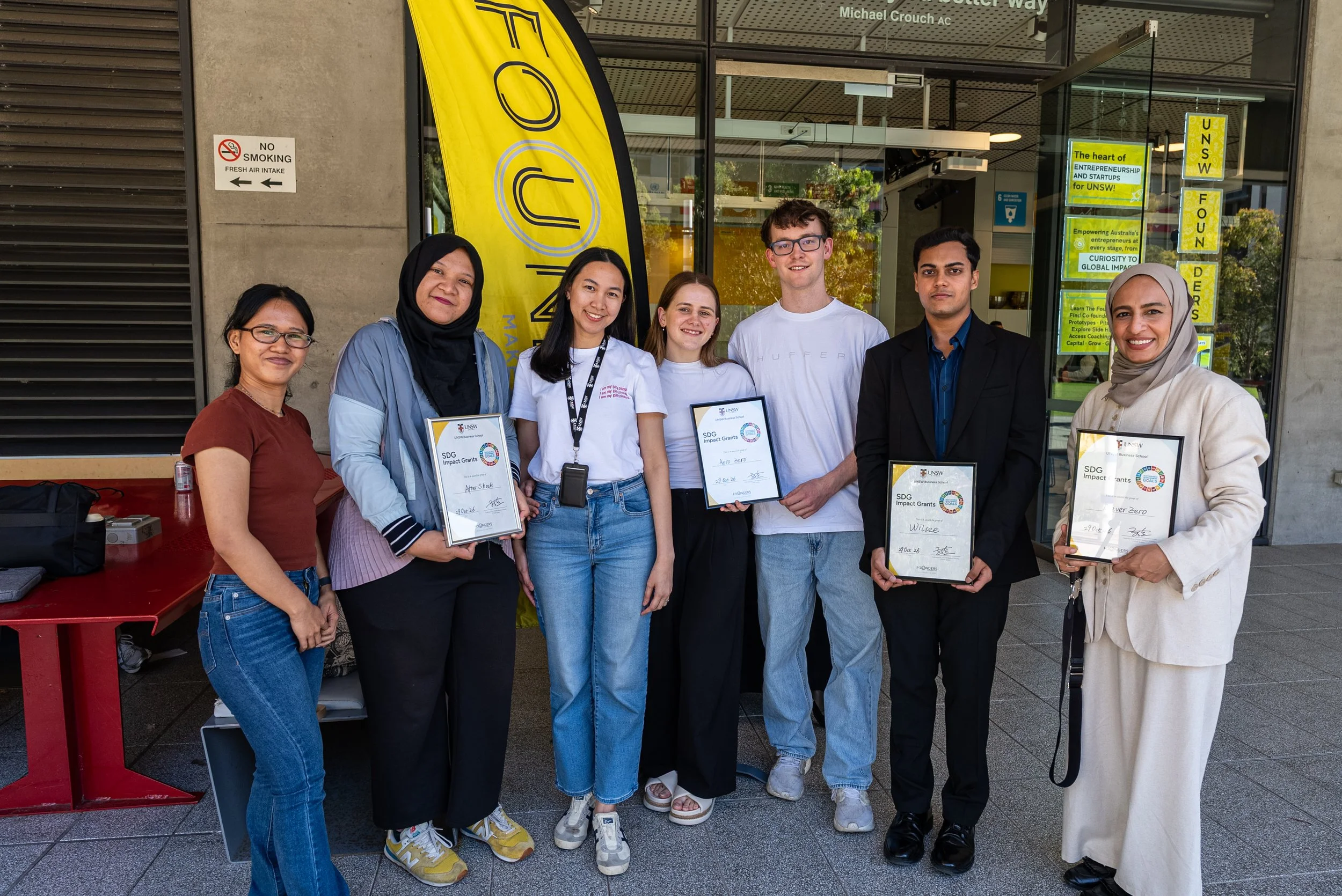
SDG Impact Lab was open to students from all disciplines.
Across the lab, students developed and tested social-impact ideas, built interdisciplinary connections and prepared action plans responding to real-world challenges.
-
Discover the UN’s 17 Sustainable Development Goals.
The 2030 Agenda for Sustainable Development, adopted by all United Nations Member States in 2015, provides a shared blueprint for peace and prosperity for people and the planet, now and into the future. At its heart are the 17 Sustainable Development Goals (SDGs), which are an urgent call for action by all countries - developed and developing - in a global partnership. They recognise that ending poverty and other deprivations must go hand-in-hand with strategies that improve health and education, reduce inequality, and spur economic growth – all while tackling climate change and working to preserve our oceans and forests.
You can select one or several goals as a framework to solve a problem for our partners.
-
Social impact ideas aim to improve people’s lives, strengthen communities or help protect the environment. They matter because many challenges are interconnected and can’t be solved by one group alone. Bringing different perspectives together can help create practical solutions that respond to real needs and contribute to progress on the SDGs.
-
The workshops supported students to develop their ideas into action plans. The program began with an introduction to the challenge, followed by learning how to draft pitches and mentor sessions.
For their final pitch, teams presented their ideas and competed for micro-grants of up to $2,000 to help the continued development of their solution. -
On 17 February 2027, the micro-grant-winning teams will return to showcase their progress, share early impact and report on how they used their grant.