
How to Be a Great Mentor: Lessons from David Burt
Listening, Letting Go and Sitting in the Mud…

28, September 2026
Most people are never formally taught how to mentor.
We learn by being mentored, by watching others, by trying to help, and sometimes by getting it wrong. But when mentoring is successful, it can change the direction of a founder’s life.
That was the starting point for a workshop delivered by David Burt, Director of Entrepreneurship at UNSW, for the UNSW Founders mentor community.
Drawing on more than a decade of building environments where founders and mentors can find each other, David shared what he has noticed about the mentors who make the biggest difference: what works, what gets in the way, and how to offer support that is useful, honest and empowering.
And because David (and most of us) love dogs, his insights and reflections were depicted using dog images.
Mentoring is powered by generosity
At UNSW Founders, mentoring sits at the heart of how the community works.
The program exists to help the next generation of entrepreneurs take ideas to the next stage, build ambitious companies and become more capable along the way, and mentors are a huge part of that. They give their time, their experience and their belief.
As David put it, UNSW Founders is “a machine that’s powered on generosity.” But that generosity is not one-directional. The best mentor relationships are an exchange.
Mentors offer experience, and they can gain energy, perspective and a closer connection to the next generation of founders. They get to spend time with people who are still optimistic, curious, and willing to build something difficult before the world has told them it will work.
Great mentoring is about helping founders build agency.
Default to listening
It sounds obvious, but it is often the hardest thing to do, especially for people who have been successful. When a founder comes to a mentor with a problem, they often ask directly: What should I do? The temptation is to answer.
But great mentors resist the urge to jump too quickly into advice mode. They listen first. They ask better questions. They try to understand the person, the context, the constraints and what is really sitting underneath the question.
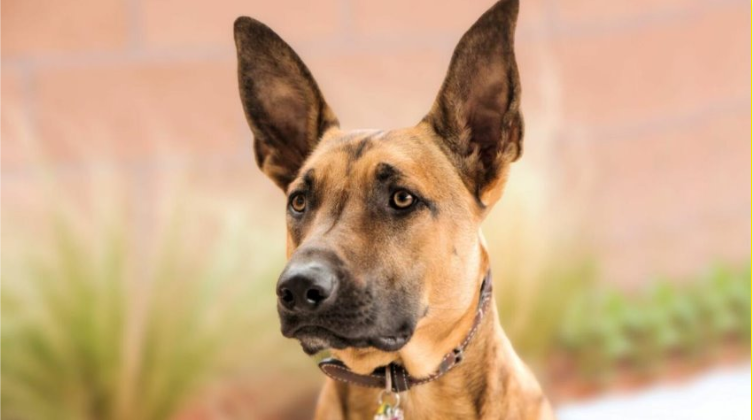
As David explained, the goal is not to create founders who depend on someone else for answers. The goal is to help them become people with agency, accountability and a bias toward action.
Sometimes the most powerful mentoring moment is not when a mentor gives the answer. It is when they ask the question that helps a founder find it themselves.
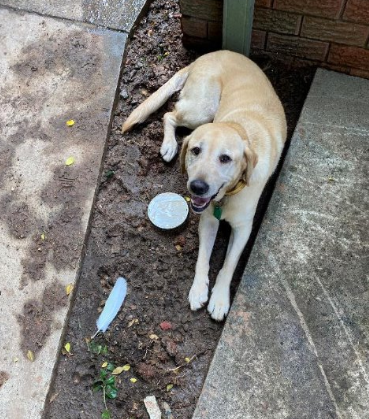
Let them sit in the mud
The second dog lesson came from a very literal moment: David’s dog sitting in the only patch of mud available after a plumbing issue at home.
For David, that image became a useful reminder: sometimes founders are going to sit in the mud.
Early-stage founders hear “no” constantly. They chase customers who do not respond, investors who are not ready, partners who are not convinced, and ideas that take longer to work than expected.
A mentor’s job is not always to rescue them from that.
Sometimes the job is to sit beside them, keep them company, and help them stay steady long enough to learn what the mud has to teach.
That does not mean being passive. It means understanding that struggle is part of how founders build strength. If mentors remove every hard moment, they may also remove the founder’s chance to develop the muscles they will need later.
Great mentors know when to guide, when to encourage, and when to let the founder stay with the problem for a little longer.
Keep your paws clean
The third lesson was about knowing when not to carry the founder.
David referred to this one using the keeping your paws clean analogy
It can be incredibly tempting for mentors to step in and do the work, especially when they know how to move faster. Many mentors have built companies, led teams, raised capital, closed deals or solved complex problems before. They know what good looks like, and they can often see the next step before the founder can.
But doing the work for a founder is not the same as helping them grow.
David has seen this happen in pitch competitions and accelerator programs: a mentor becomes deeply invested in “their” team winning, starts shaping the work too much, and the founder looks stronger only while the mentor is standing beside them.
Then, when the mentor steps away, the founder collapses back.
The best mentors leave founders better than they found them. Stronger. Clearer. More capable of making the next decision without someone carrying them there.
The balance is delicate. Mentors can open doors, offer perspective and help founders find the path forward. But they should not become the engine of the company.

Mentors are here to give
David was also clear about what great mentors avoid.
Founders, especially first-time founders, can be vulnerable. They are often operating with limited experience, limited networks and limited understanding of what is normal in the startup ecosystem. That creates a responsibility for everyone around them.
Mentoring should never be about taking advantage of that imbalance.
Great mentors are not there to extract a deal, pressure a founder, blur boundaries or turn generosity into leverage. If a commercial relationship emerges later, it should be handled transparently and carefully.
Mentoring is an act of trust. Protecting that trust is part of the work.
Great mentees
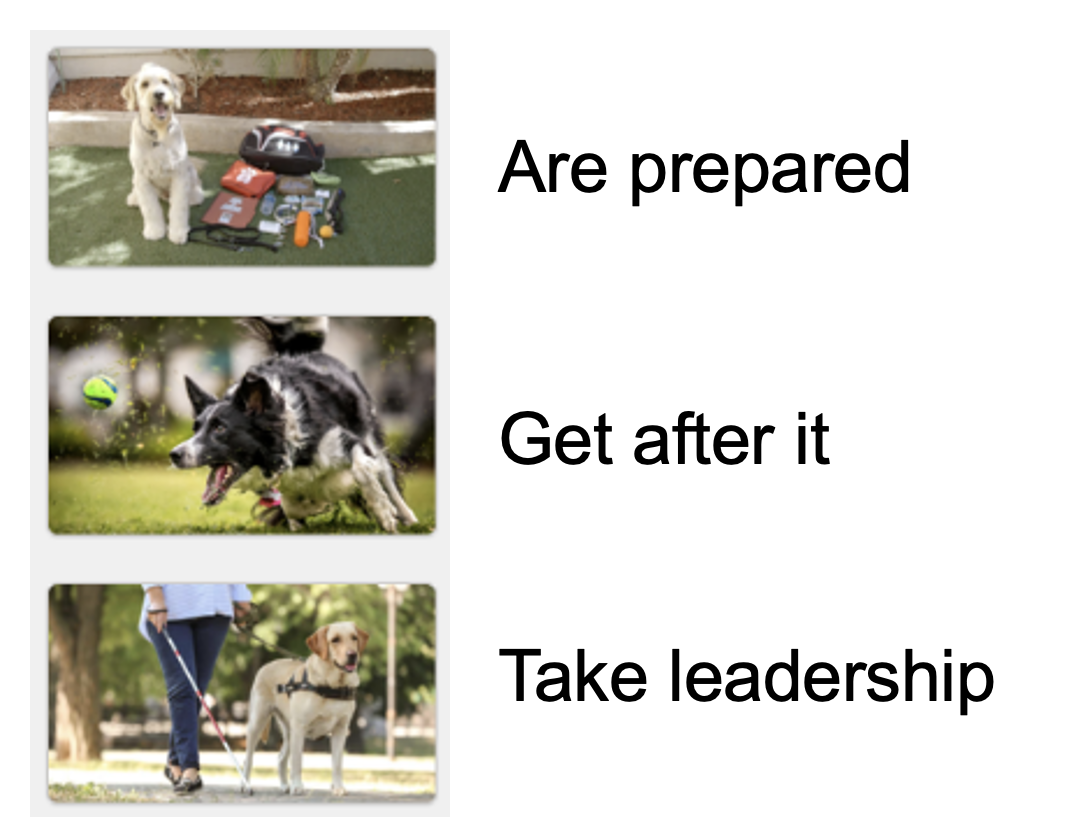
David also spoke about what great mentees do, because strong mentoring depends on both sides showing up well.
Great mentees are prepared. They arrive with context, a clear question, and enough information for the mentor to be useful.
Great mentees also get after it. They do not have to agree with everything a mentor says, and they do not have to follow every piece of advice. But they do need to do something. Mentoring works best when founders take action, test what they heard, and come back with progress, learning or sharper questions.
And great mentees lead the conversation. They set the agenda. They make clear what they need. They respect the mentor’s time by making the conversation easy to enter and useful to navigate.
That is part of the agency David kept returning to. A mentor can support a founder, but the founder still needs to lead.
Say thank you to the mentors who shaped you…
David ended the workshop by asking everyone to think about the mentors who had shaped their own lives.
For many people, a name comes to mind quickly. Sometimes it is someone who met with you for years. Sometimes it is someone who said the right thing in one conversation and changed the way you saw yourself.
The mentor may not even know. So, David’s invitations is if someone made a difference to you, tell them.
Send the note. Make the call. Let them know that their time, advice, challenge or belief mattered.
Because mentoring is often built from moments of generosity that feel small at the time, but stay with someone for years.
And if we want the next generation of founders to be more ambitious, more resilient and more capable, those moments matter more than we think.