
Funding Your Startup: Understanding the Different Pathways
Funding is one of the biggest challenges founders face, and often one of the most misunderstood.

02 June, 2026
Many founders start by asking, how do I get funding? But that isn't always the right place to begin. A better question might be: "Am I actually ready for funding, and what type of funding makes sense for where I'm at?"
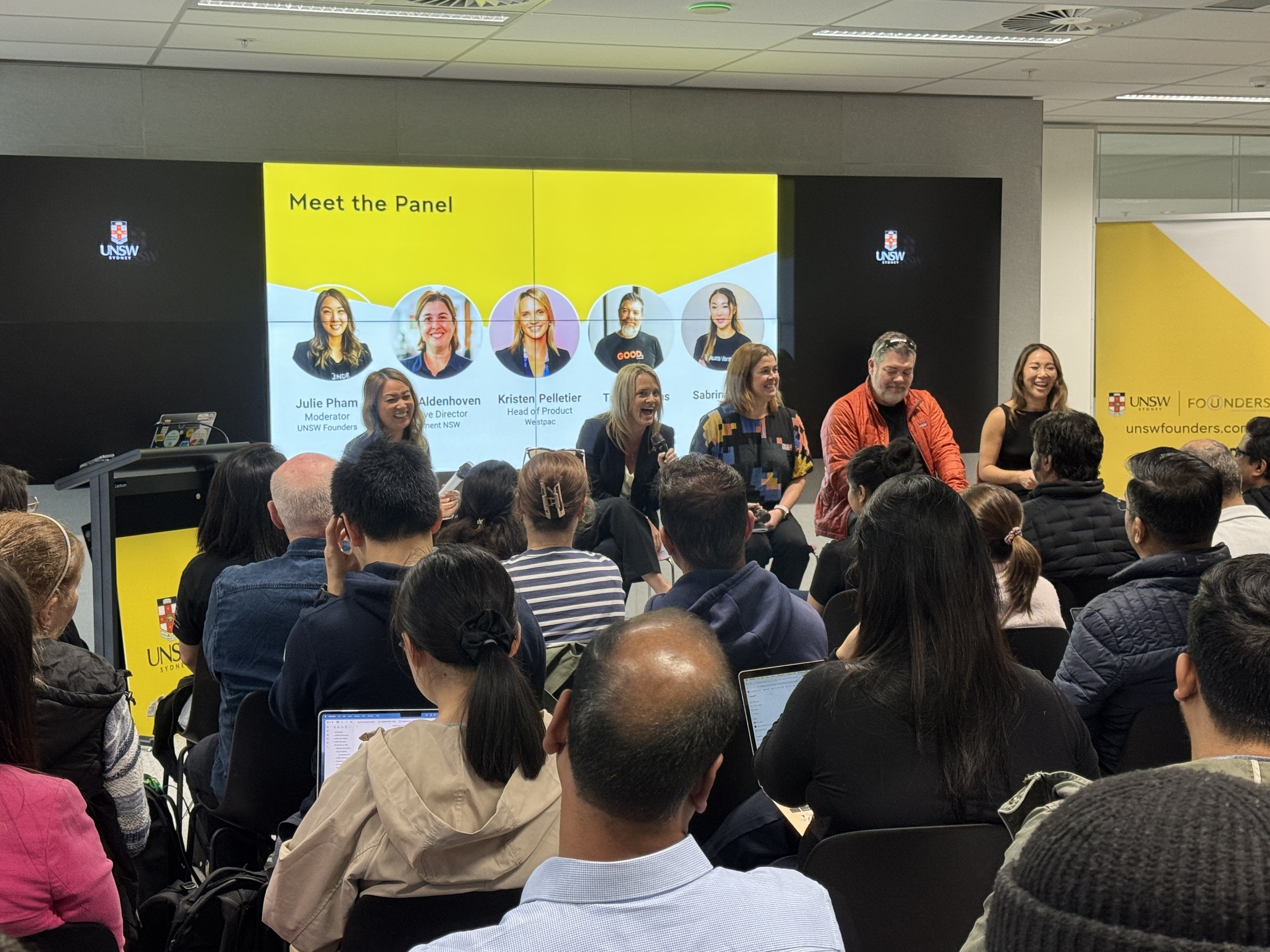
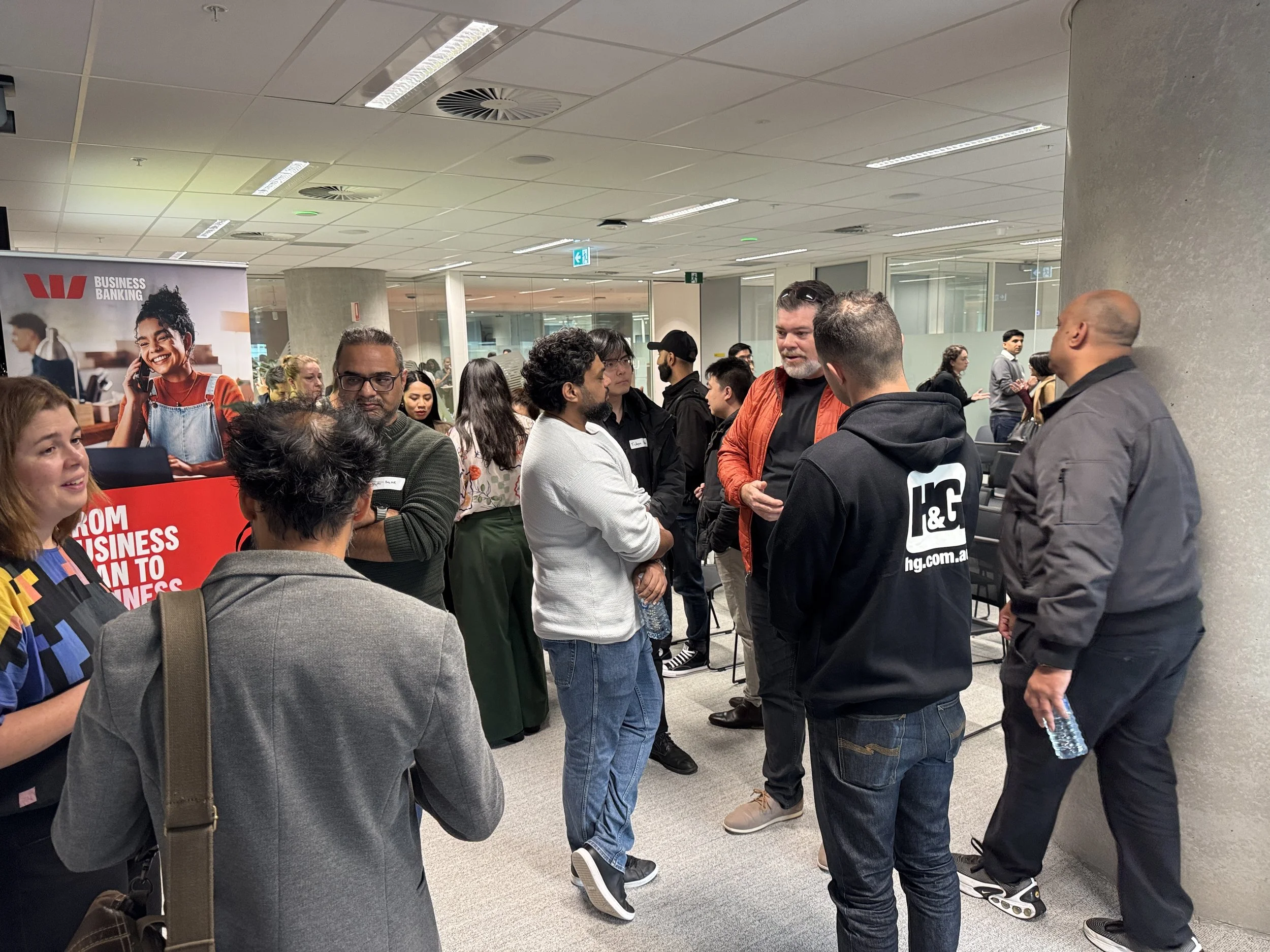
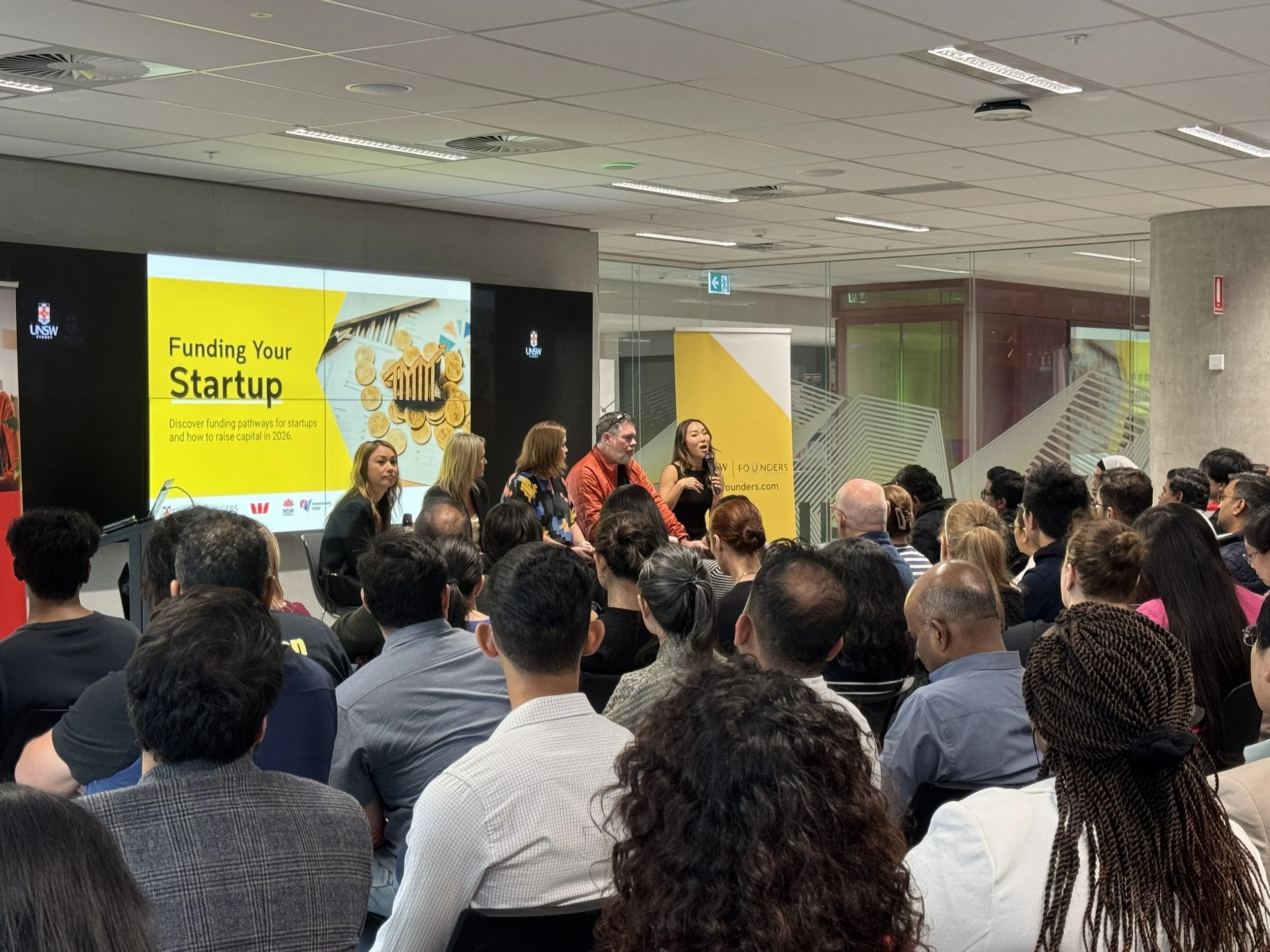
To unpack those questions, UNSW Founders brought together experts from across the funding landscape: Jaclyn Aldenhoven, Executive Director at Investment NSW; Kristen Pelletier, Head of Product at Westpac; Tom Dawkins, Founder of LendForGood and UNSW Founders 10x alumnus; and Sabrina Zeng, Investor at Aura Ventures.
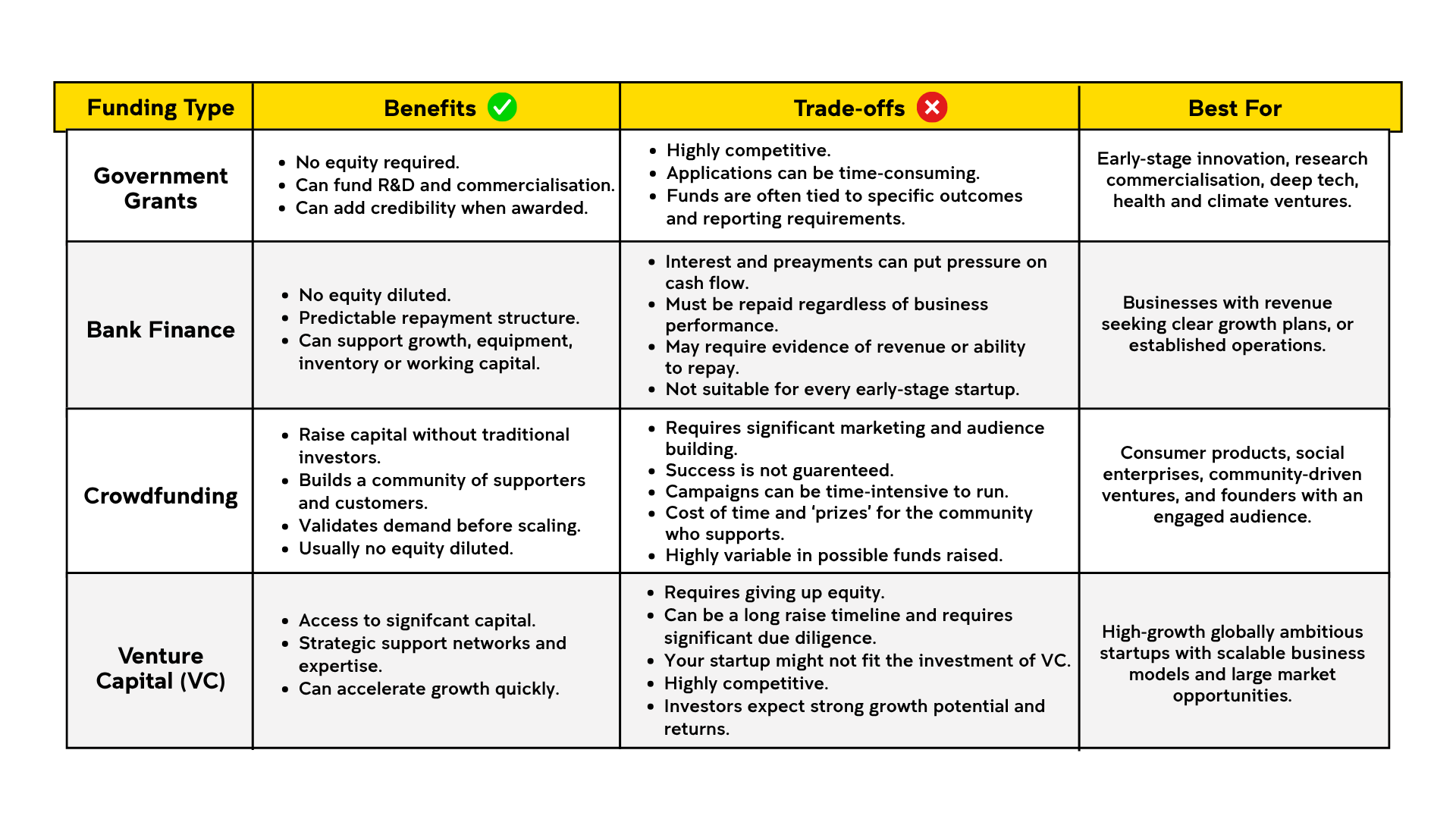
Together, they explored some of the most common funding options, from government grants and bank finance to crowdfunding and venture capital. During the conversation, one thing became clear: there is no single “right” path to funding. Each type of capital solves different challenges, comes with its own trade-offs, and serves a different purpose. Understanding the options available can help founders make better decisions about how, when and how much they should raise.
Quick Funding Pathways at a Glance
In many cases, founders use a combination of funding sources over time. A startup might begin with a grant, validate demand through crowdfunding, access bank finance as revenue grows, and only later pursue venture capital.
There are other types of funding such as angel investors, Family Offices, debt raising, bootstrapping or even raising across your family and friends network. The comparison below highlights some of the most common funding options, along with their advantages, limitations and ideal use cases.
Funding Doesn't Solve Problems. It Unlocks Opportunities
Before applying for a grant, approaching investors, or speaking to a bank, founders need to be clear on what funding will actually help them achieve.
Ask yourself: what specific milestone are you trying to hit? Do you need to build a prototype? Hire your first employee? Manufacture inventory? Enter a new market? Commercialise research?
As Kristen Pelletier from Westpac put it, the first question every founder should ask is: "What is it that I need the funding for?" The answer to that question will often determine which funding source is right for you, who you should talk to, and how much you actually need.
Government Grants: Funding Without Giving Away Equity
For many founders, grants can be an attractive source of non-dilutive funding, meaning you can access capital without giving up any equity or ownership of your business.
According to Jaclyn Aldenhoven from Investment NSW, one of the biggest misconceptions about grants is that having a great idea is enough. But in reality, grant assessors are looking for evidence. They want to understand the problem you're solving, why it matters, whether you can deliver the project, and what outcomes the funding will create.
The strongest applications clearly demonstrate:
A genuine problem or opportunity
A realistic plan for delivery
How the requested funding will be deployed responsibly
A capable team to solve the problem
Measurable outcomes and impact
Jaclyn's advice 👉 read the guidelines carefully before you start writing.
Every grant is designed to achieve a specific objective. The more closely your project aligns with those objectives, the stronger your application is likely to be.
For founders working on research translation, deep tech, health innovation, climate solutions or community impact initiatives, grants can play an important role in helping ideas progress without immediate pressure from commercial investors or taking on risk of personal debt.
Bank Finance: The Option Many Founders Overlook
When startup funding comes up, most people think about the traditional startup investors with “Shark Tank” style pitching and people with giant piles of money. Few people think about banks. But Kristen Pelletier invited founders to reconsider that first thought. Not every business model is suitable for venture investment, and not every founder wants to give away significant equity. In many cases, working with banks to create business debt can be a powerful tool for growth.
For businesses with revenue, customers, or clear growth plans, bank finance can help fund expansion while allowing founders to maintain ownership. Kristen encouraged founders to start conversations with banks earlier than they might think.
She also highlighted that startup lending has evolved significantly in recent years, with some funding options now considering business plans and future growth potential rather than relying solely on years of historical financial data.
As she put it 👉 "Debt can actually set your business free and help you grow."
Crowdfunding: Turning Community Into Capital
If grants and banks are often overlooked, crowdfunding is often misunderstood.
Tom Dawkins, Founder of LendForGood and a UNSW Founders 10x alumnus, encouraged founders to think about crowdfunding as more than a way to raise money. At its core, crowdfunding is about building a community around what you're creating.
The most successful crowdfunding campaigns aren't launched into empty rooms. They are supported by people who already believe in the mission, the problem, or the founder.
Tom described several ways crowdfunding can be used:
To help launch a new idea
To validate demand before manufacturing or scaling
To raise growth capital from an engaged community
Crowdfunding can provide something investors often look for later: evidence.
Evidence that people care. Evidence that customers exist. Evidence that your solution resonates with the market.
Tom’s advice 👉 founders should focus less on how to crowdfund and more on how to build a community that wants to support what they're building.
Venture Capital: Not Every Startup Needs It
Venture capital (VC) receives a lot of attention in startup circles, but Sabrina Zeng from Aura Ventures reiterated that VC is only one funding option, and it's not the right fit for every business.
Venture capital is designed for startups with the potential for significant growth and global scale. That means investors are often looking for large markets, strong teams, compelling traction, and a pathway to substantial returns.
One of Sabrina's key pieces of advice 👉 start building relationships with investors long before you're actively raising capital. Founders often wait until they need funding to introduce themselves. By then, they're already behind. Building relationships early allows investors to follow your progress, understand your market, and gain confidence in your ability to execute.
Sabrina also challenged the common belief that startups need a secret technology advantage to attract investment. More often, investors are looking for founders with deep insight into a problem and the ability to adapt, learn, and execute as markets evolve.
The best founders aren't necessarily the ones with all the answers. They're the ones who understand their customers better than anyone else.
The Best Thing You Can Raise First Isn't Capital
While the panel explored different funding pathways, there was one idea everyone agreed on. Before you raise money, focus on raising momentum.
Talk to customers. Build relationships. Test assumptions. Generate traction. Grow your network. Build a community around your work. Everything you do in the early stages creates evidence, evidence that your idea solves a real problem and that people care enough to support it.
Whether you're applying for a grant, speaking with a bank, launching a crowdfunding campaign, or preparing to approach a venture capital raise, that evidence will always strengthen your position.
The Takeaway
The biggest takeaway from the conversation wasn't that founders need more funding. It was that founders should work to get greater clarity on what type of funds they are suited to before they start raising. Whether you're exploring an idea, commercialising research, building a startup, or growing a business, the right funding pathway depends on what you're trying to achieve next.
Grants, loans, crowdfunding, and venture capital can all play a role. The challenge isn't finding capital. It's understanding which type of capital is right for your stage, your goals, and the future you're trying to build.
Even if you're not ready for funding today, building relationships across all sectors early can help you understand and prepare for future opportunities.