
From First-Time Founder to Unicorn
One of Australia’s biggest startup stories comes to campus.

4 May, 2026
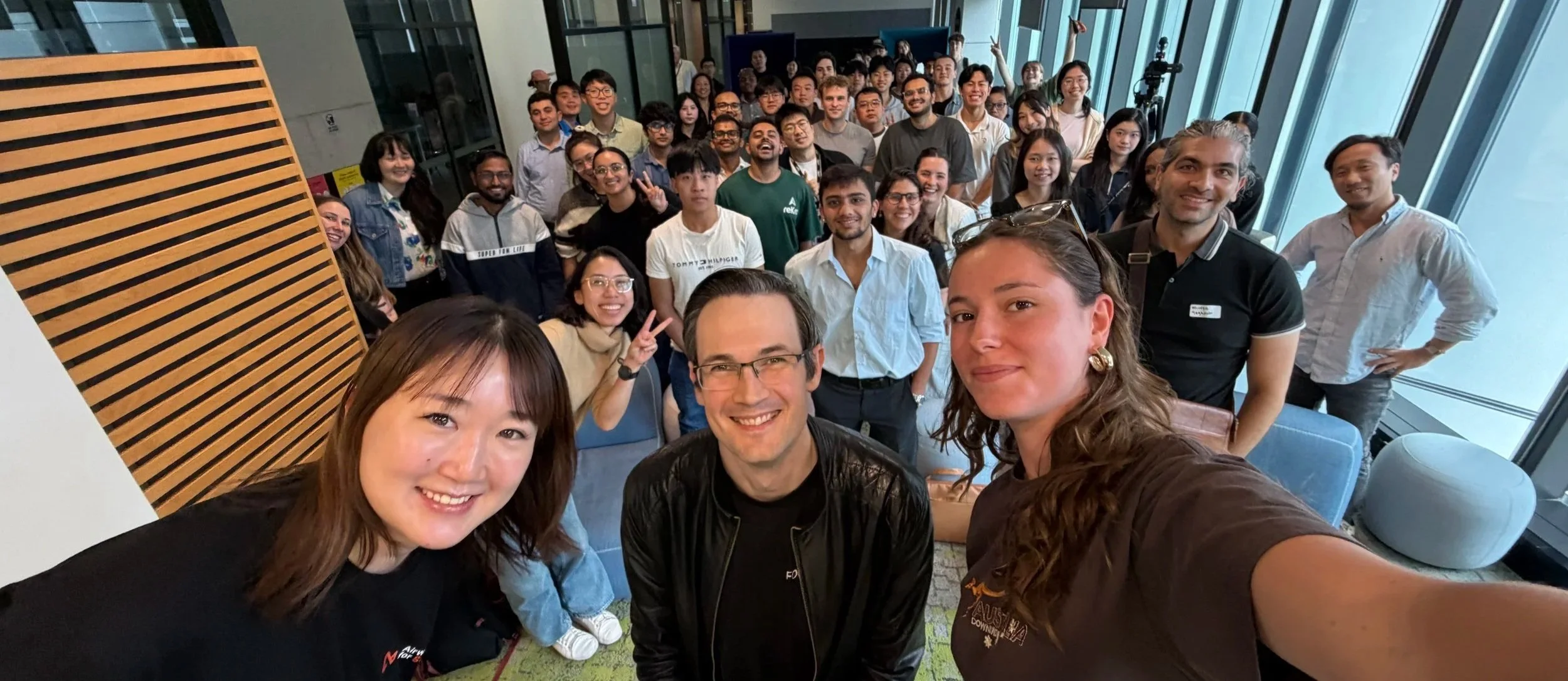
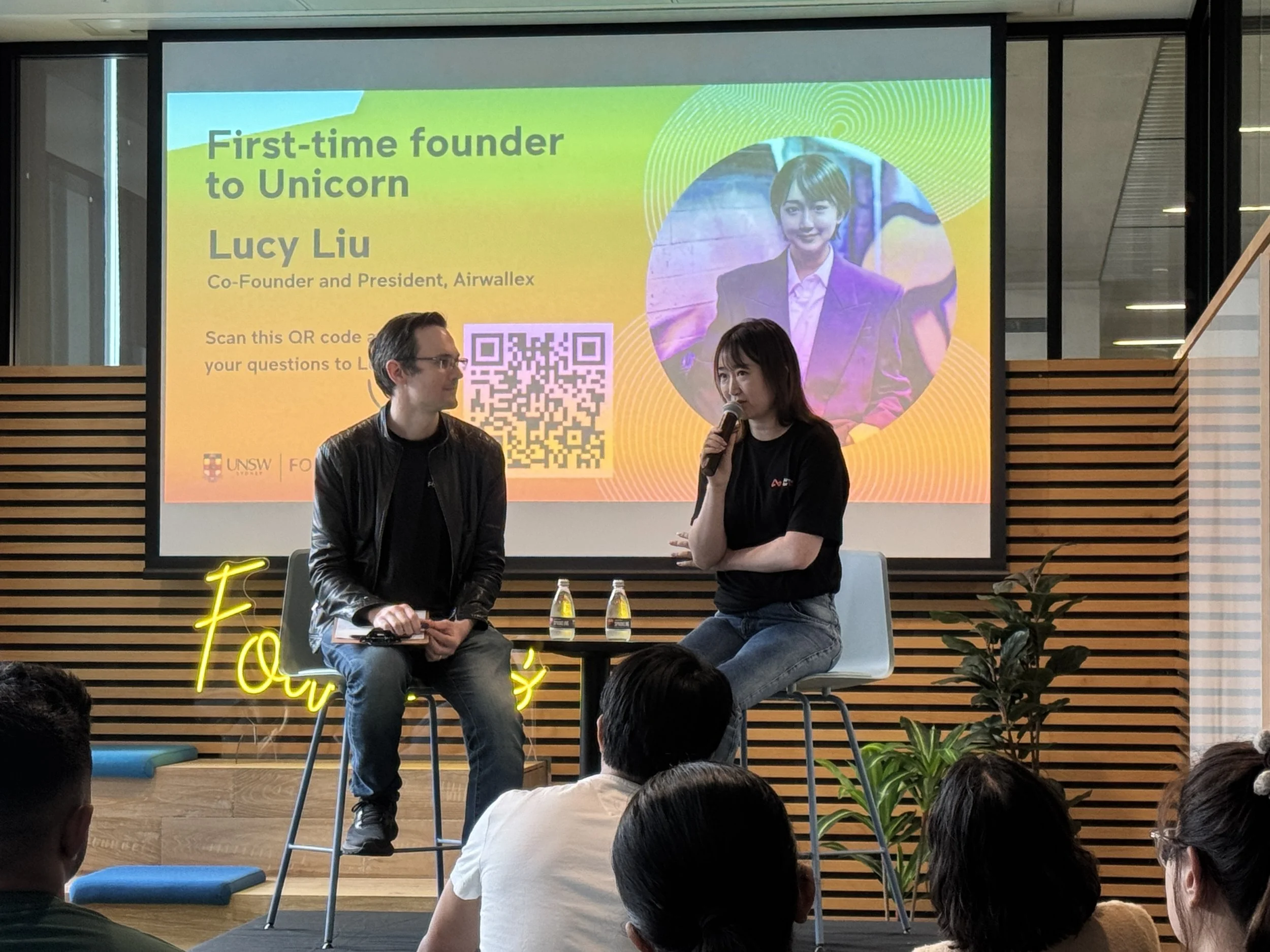
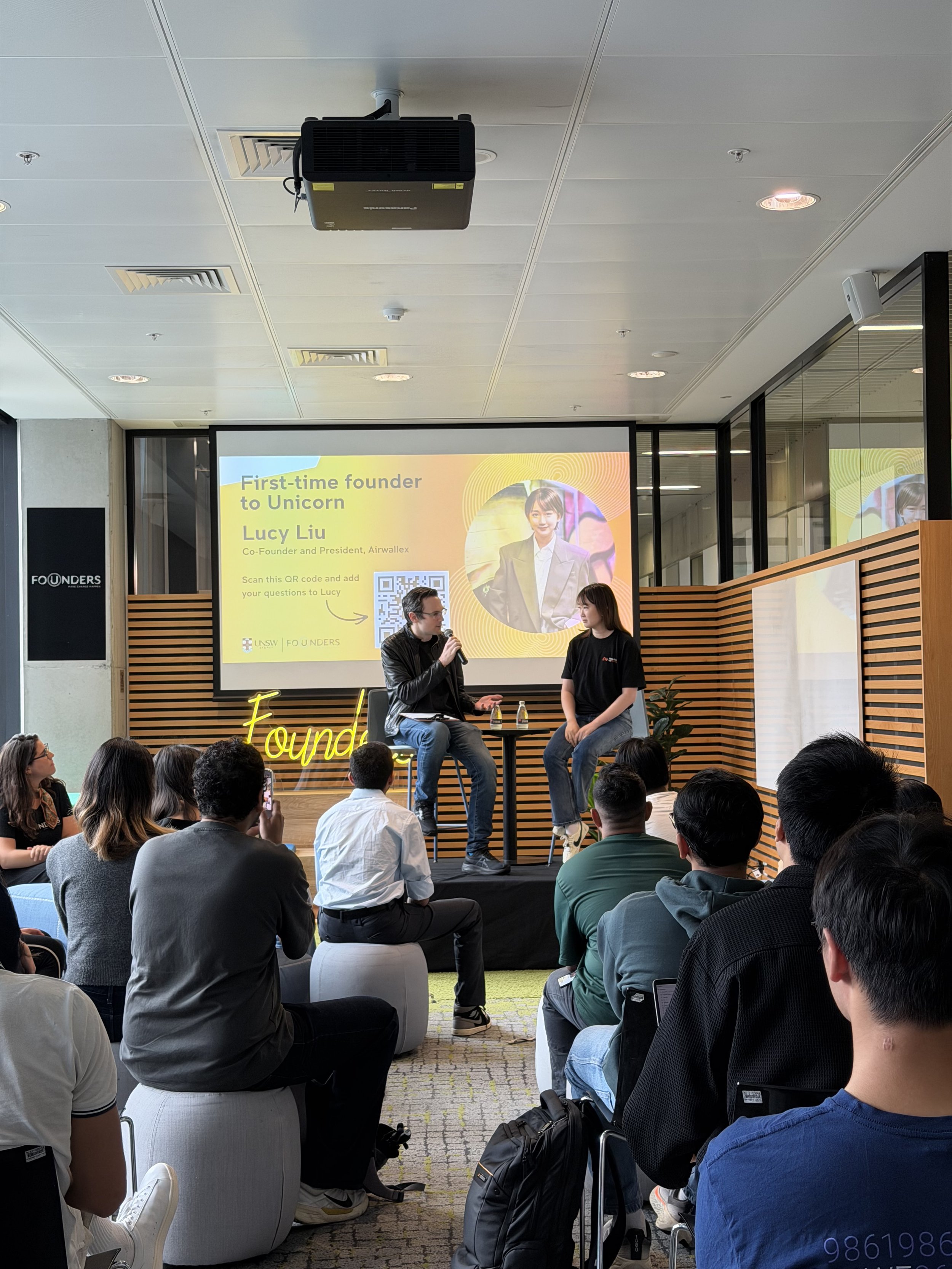
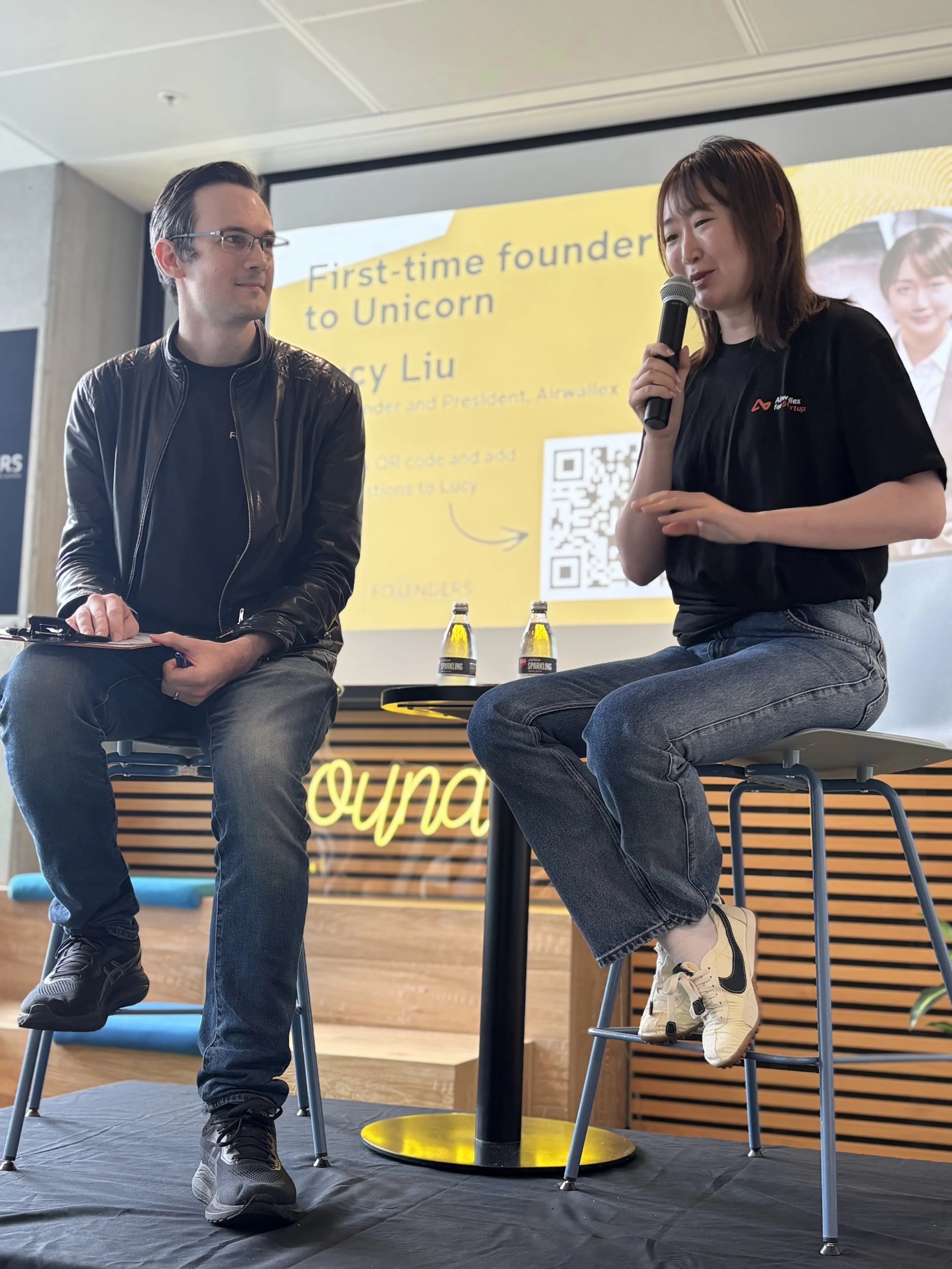
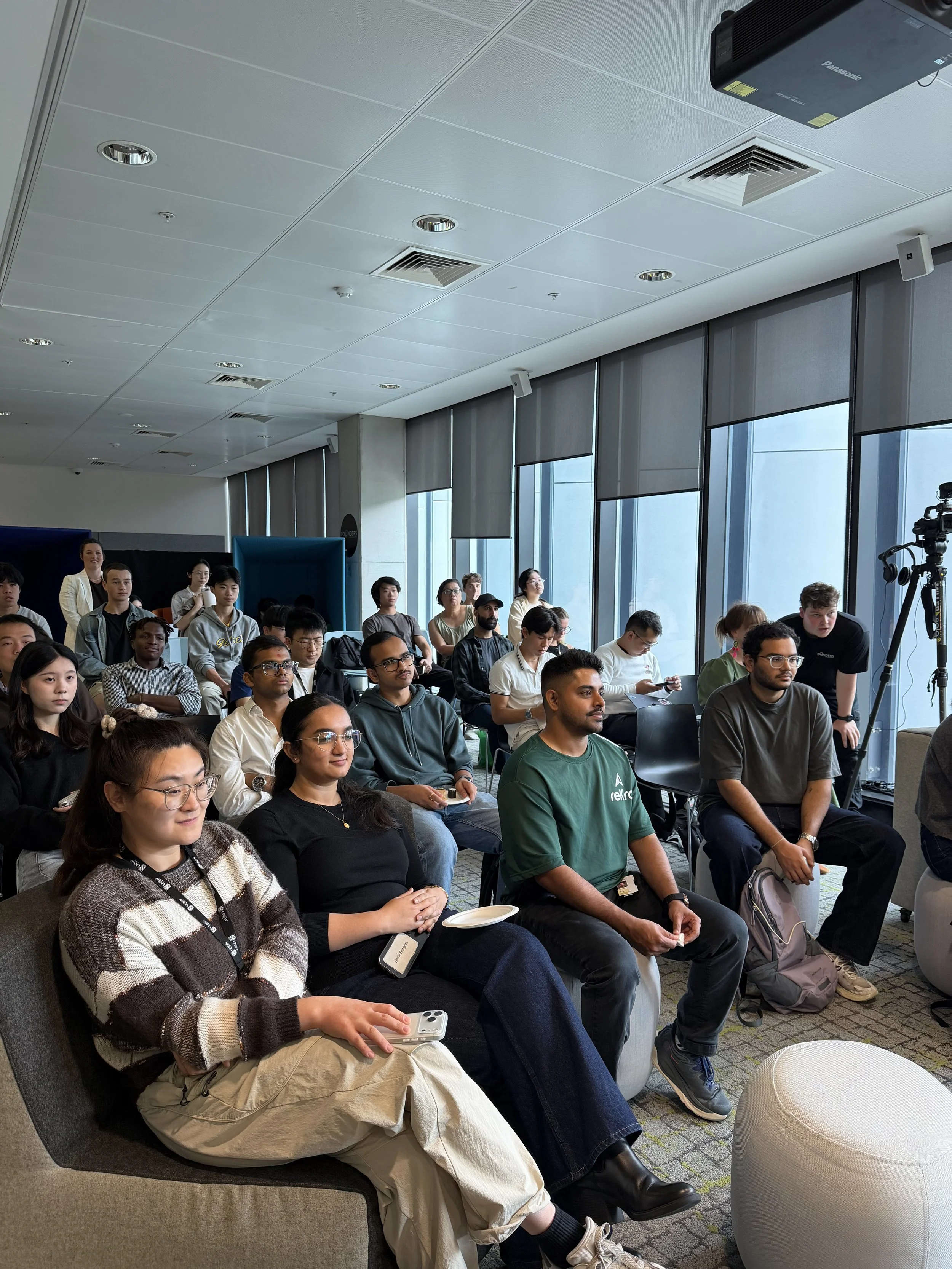
Last week UNSW Founders had the pleasure of hosting a special fireside chat with Lucy Liu, Co-Founder and President of Airwallex in conversation with David Burt, Director of Entrepreneurship at UNSW.
Lucy is one of only two women in Australia to co-found a tech company valued at over $8 billion USD and she shared something more than inspiration. She shared the unfiltered version of what it was like to build a global company from Australia: the early uncertainty, the hard product decisions, and the years of work before the headlines.
Lucy also announced the launch of Latitude 37, a new opportunity for young Australians designed to back ambitious founders building AI-native companies (keep reading to find out more about it 😉).
Zero Revenue for Three Years.
That is not usually the line you hear when people talk about a unicorn startup. But for Lucy and her co-founders, it is one of the most important parts of their story.
Before Airwallex became a global fintech success, there were years of uncertainty. "As a startup, you feel very fragile," Lucy said. "The early stage was all about survival" – and that meant building for three years before seeing a single dollar of revenue.
That stretch meant getting licensed from scratch and slowly earning the trust of customers who had no reason yet to believe in them. The whole time, one conviction held: get the fundamentals right before anything else.
"I really wish I had Airwallex when we started" she said, half-laughing. At the time, she was visiting 14 or 15 cities a month just to lay the groundwork.
The founders who survive years like that are rarely the ones with the most resources. They're the ones who, like Lucy, don't need anyone else to tell them to keep going.
Start with the Customer, Not the Product
Lucy reflected on one of Airwallex's earliest and most difficult product decisions. After six months of development, the team scrapped their first product – an invoicing tool that wasn't the right fit – and rebuilt from scratch around a payout API.
That decision led them to their first customer: a tuition payment platform helping students pay universities and schools globally. For that customer, the problem was systemic. The old process meant filling out wire transfer forms at a bank and waiting for money to crawl through legacy systems.
Airwallex provided a solution that was faster, and a more automated way to move money across currencies and borders. The real value that Airwallex created was not just the transaction; it was understanding the operational pain behind it.
As David reflected in the room, the founders most likely to succeed are not just obsessed with what they are building. They are obsessed with who they are helping and what problem they are actually solving.
For Airwallex, the willingness to throw away six months of work was not a setback.
It was the decision that brought them closer to the customer – and to the business they were meant to build.
Think Globally from Day One
Lucy’s own journey helped shape Airwallex’s global mindset. She spoke about growing up with a love of travel, working across markets and becoming familiar with currencies, foreign exchange and the friction businesses face when operating internationally.
That global perspective influenced Airwallex from the beginning.
Early advice from an investor pushed the team to attend Money20/20 Europe within the first few months of starting the company. That experience helped them see that the opportunity was bigger than foreign exchange. The real problem was business payments. That shift in perspective changed the company’s trajectory.
For students in the room, the takeaway was: do not build only for the market you can see immediately. Think globally from day one. If it works in Australia, think about how you’ll make it work in the world.
Start Early. That’s the Bit.
Lucy closed with a reflection on Australian startup culture. In the US, building a company in your final year of university is almost a rite of passage. Here, it's still unusual. It is still something people tend to give themselves permission to do after they've had a “real” job and ticked the right boxes.
Lucy would like to change that in Australia – not the dropout part – but the starting early bit. The tools available today mean the barrier to starting a business has never been lower. Start early. That's the bit.
Latitude 37: Backing You Before There Is Proof
Lucy also reflected on what she wished had existed when she started out. Having someone in her corner before there was market proof. Capital that didn't cost equity.
That is exactly what she has built with Latitude 37. Backed by Airwallex through its Pledge 1% commitment, Latitude 37 supports founders aged 25 and under with $100,000 in equity-free funding, access to experienced operators, and curated visits to San Francisco and Singapore.
When asked what a strong application looks like, Lucy was direct: "You want your idea to be borderless."
Today access to meaningful early-stage capital is still limited. That is where philanthropy can be powerful. It can take risks traditional capital often cannot, backing first-time founders before the market is ready to.
That belief is at the heart of everything we do at UNSW Founders. And thanks to Lucy and Airwallex, it is now at the heart of Latitude 37 too: creating access, opening doors and giving ambitious young people the support to start earlier, build with confidence, and turn bold ideas into companies with real-world impact.
👉 Expressions of interest for Latitude 37 are open now. Applications open 26 May, 2026.