
From Campus to the Ocean Floor

When Arts Design & Architecture alum Tom Löfler was studying at UNSW, he noticed a problem in a field he cared deeply about - marine operations.
Ships travelling across the ocean gradually accumulate layers of algae and marine growth on their hulls. While it might seem minor, this build-up increases drag, forcing vessels to burn more fuel and produce more emissions. To be cleaned divers manually swim around and scrub away build-up. It’s slow, expensive, extremely manual (and dangerous) and hasn’t changed in decades. Tom thought that there had to be a better way.
He first developed his solution as a concept in his major project within the School of Built Environment's Industrial Design program. A university assignment.
But importantly Tom decided to keep going.
Tom co-founded Hullbot with Karl Watfern, and together they spent years iterating, designing, and testing 6 generations of their robots, making over 20 in the process to prove the technology worked at scale.
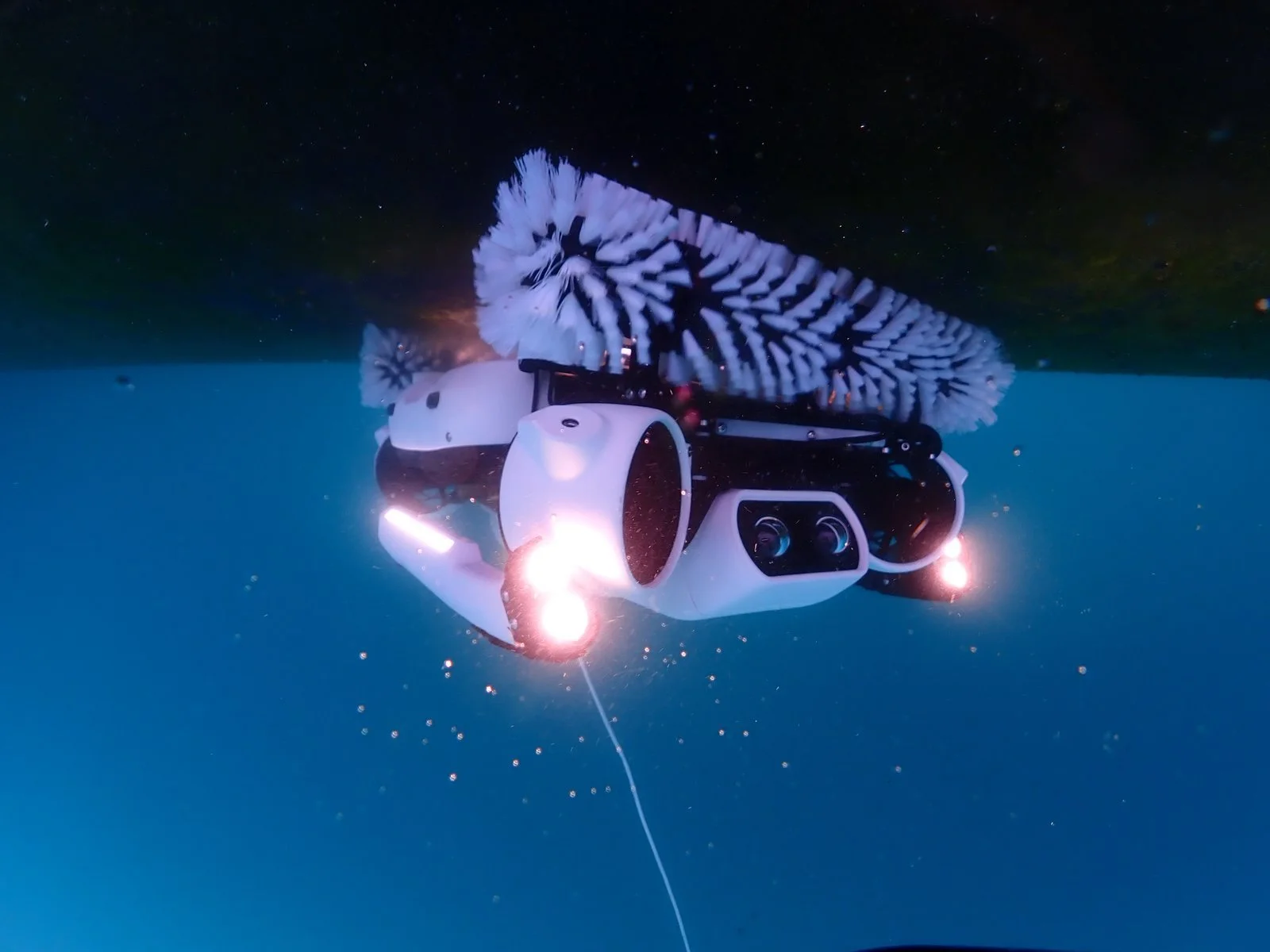
Hullbot’s autonomous frequent cleaning service prevents fouling build up proactively
That idea eventually became global startup developing autonomous underwater robots that clean ship hulls while vessels remain in the water.
By removing marine growth early and efficiently, Hullbot helps shipping companies reduce fuel consumption and lower emissions.
Today, Hullbot has delivered more than 1,000 paid hull cleans for ferry operators and small cruise vessels around the world, preventing more than 3,600,000 kg of unnecessary CO₂ emissions in the process.
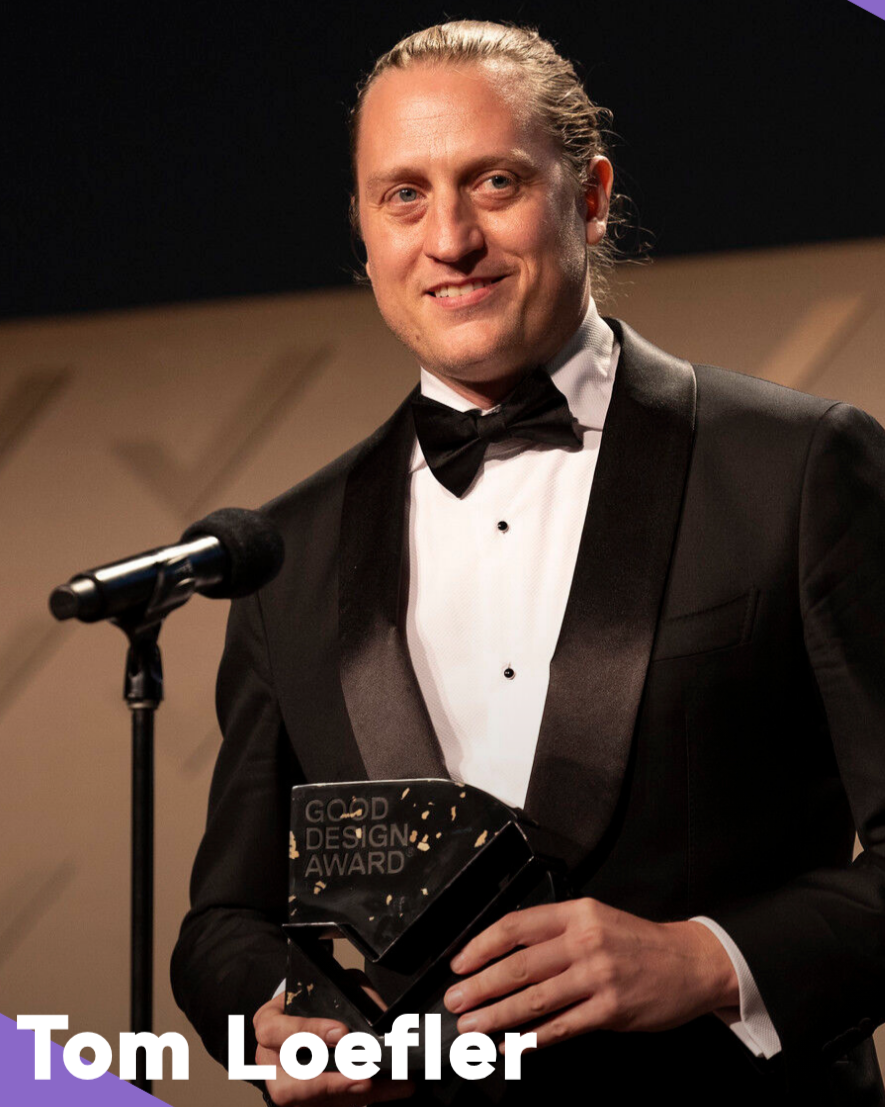
What started as an idea during university assignment, has grown into a globally run startup, recognised with the Australian Good Design Award of the Year that has recently closed a $16 million Series A raise.
But the most important part of the story is where it began.
One student, an idea, and the decision to try.
The Peter Farrell Cup exists for students who want to try an idea. It's UNSW's flagship student startup competition, open to all faculties, both undergraduates, post graduates and HDR students.
You don't need a business background to participate within the Peter Farrell Cup. All you need is a problem that you want to solve and the curiosity to explore it.
Tom's story is an example of what's possible when you do.
If you have an idea you want to explore, the Peter Farrell Cup is your chance to bring it to life.