
The Future of Work Is Being Built in Startups
6, July 2026

For many computer science and engineering (CSE) students, the path from university to work has long felt predictable: complete your degree, secure a graduate role, and begin your career inside a large company.
That path is beginning to shift.
Graduate roles are becoming more competitive. Artificial intelligence is redefining what entry-level engineers can produce. And students are increasingly aware that standing out now requires more than academic performance alone.
In that context, startups are no longer a peripheral option. They are becoming one of the most direct ways for students to build meaningful experience; early, quickly, and in environments where contribution is visible.
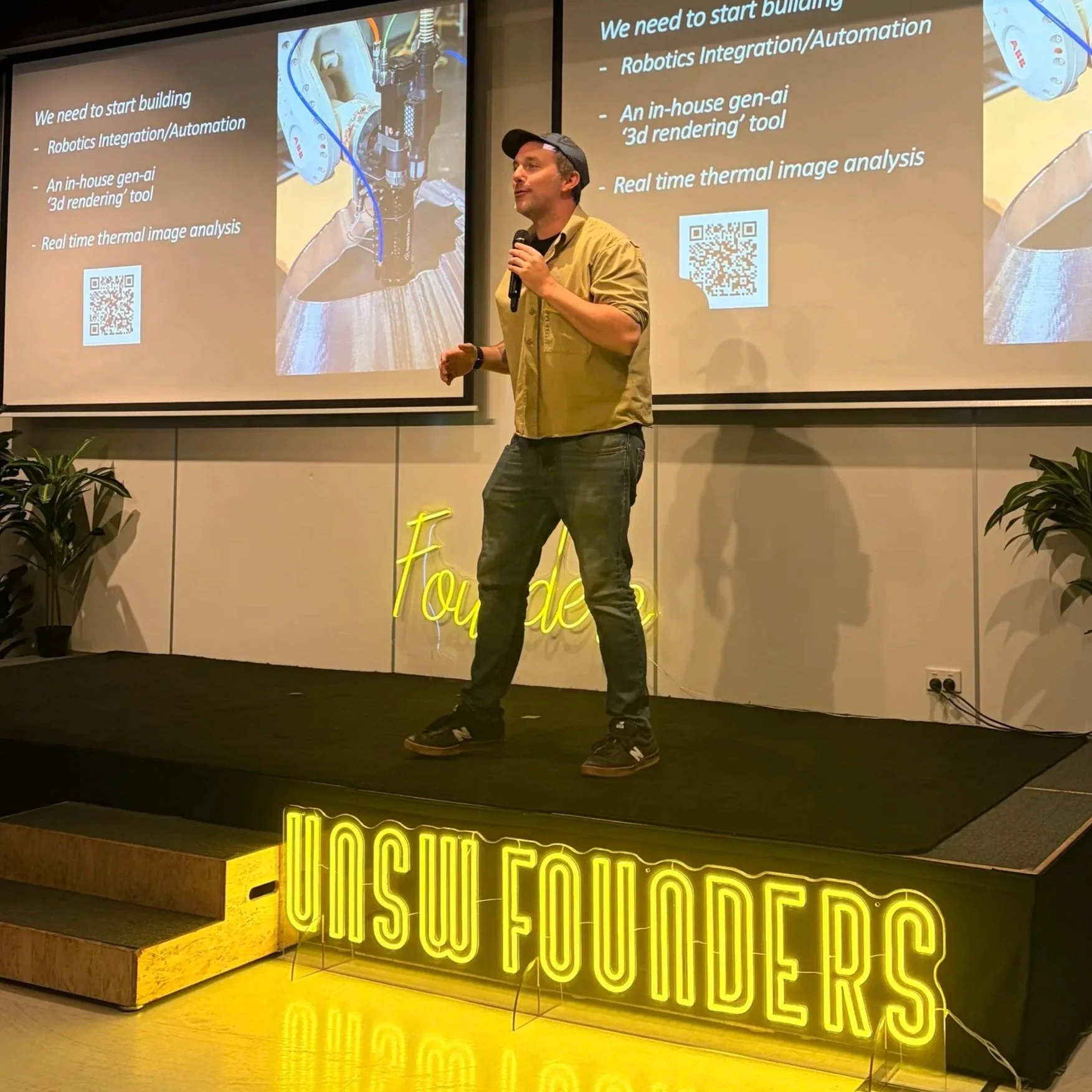
That premise sat at the centre of UNSW Founders’ CSE Reverse Pitch Night, an event designed to invert the traditional recruitment model. Instead of students pitching themselves to employers, startups made the case for why students should join them.
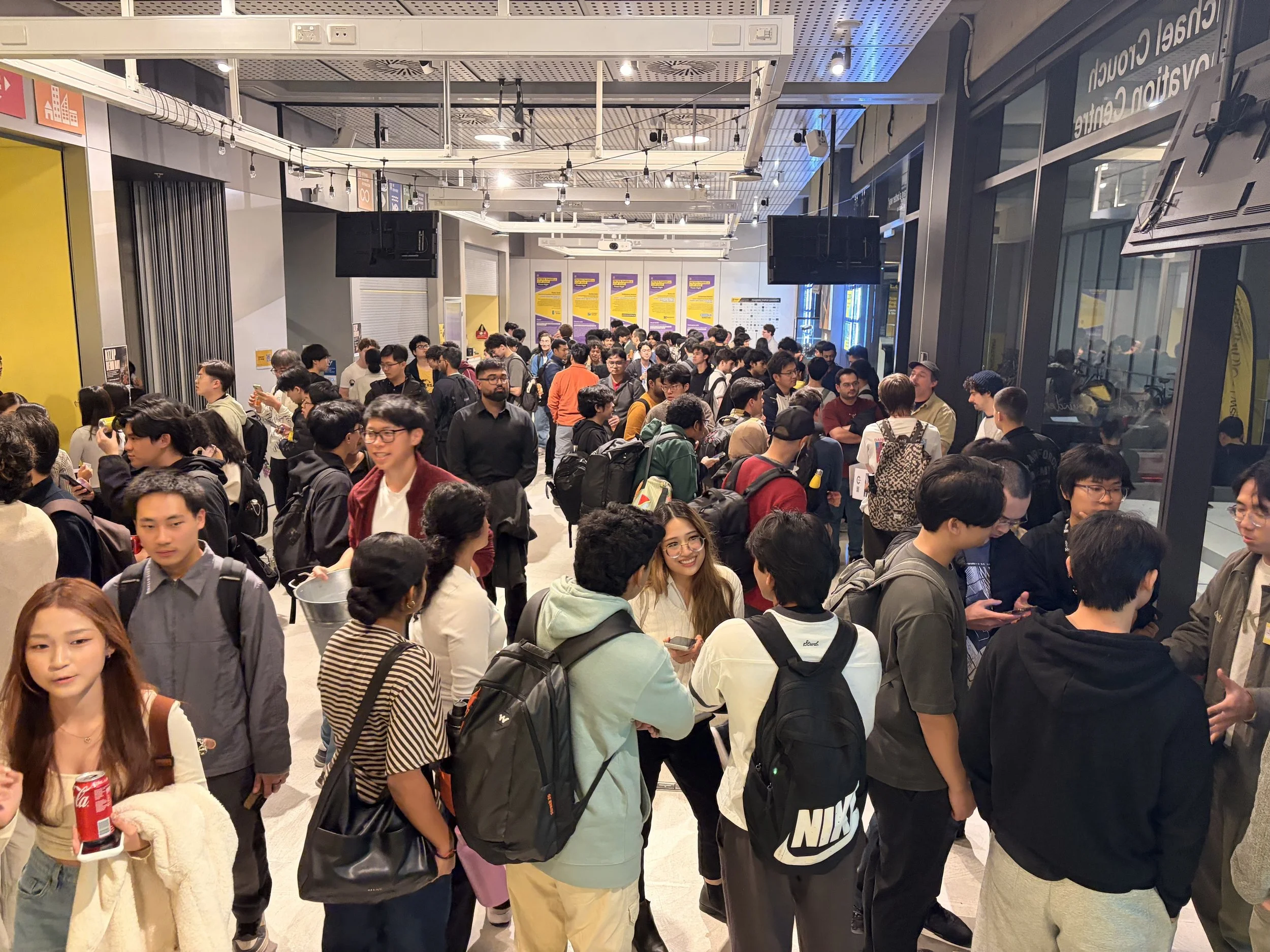
The response was immediate. The room filled with over 180 students. With more than 100 on a waitlist for tickets.
Held at the Michael Crouch Innovation Centre, the evening brought together a dense mix of students and founders; less a formal audience than a working intersection of curiosity and intent.
Why Startups Matter for Students
Early in the evening, CSE academic and startup founder Hayden Smith offered a framing that resonated across the room. He described a recent conversation with a student uneasy about studying computer science at a time when AI appears to be accelerating faster than the job market can absorb.
The concern is not unfounded. AI tools are increasing individual productivity at a pace that large organisations struggle to match structurally. When a single engineer can achieve significantly more, companies do not necessarily scale hiring in parallel. In many cases, they slow it.
But Hayden’s argument was not one of contraction. It was one of redistribution.
“AI is not only displacing tasks; it is expanding capability. Students today have access to tools that allow them to design, build and test at a level that, until recently, required entire teams. The constraint is no longer purely technical ability, but environment.”
And not all environments respond the same way.
Large organisations, defined by structure and stability, tend to absorb change gradually. Startups, by contrast, are built around it. Where incumbents optimise, startups expand. Where large companies manage efficiency, startups pursue growth, often at multiples that make increased individual capability an advantage rather than a disruption.
In that sense, the opportunity has not disappeared. It has shifted toward smaller, faster-moving companies that can translate capability directly into progress.
For students, that distinction matters.
In a startup, the distance between effort and outcome is short. Work is rarely abstracted. Students are more likely to collaborate directly with founders, ship features, speak with users, and confront the ambiguity that defines early-stage companies. The experience is less about observation and more about participation.
And increasingly, participation is what differentiates candidates.
A Different Kind of Internship Night
The structure of the evening reflected that urgency.
Each startup was given two minutes to present what they were building, the problems they were solving, and the kind of students they hoped to meet. The format was concise, practical and deliberately unpolished; closer to how startups actually communicate than how they are often presented.
The range was broad. Students heard from companies working across artificial intelligence, cybersecurity, healthcare, manufacturing, education, regulatory technology, and vision care. Despite the diversity, a common theme emerged: these were not hypothetical internships. They were opportunities to contribute to active products and real systems.
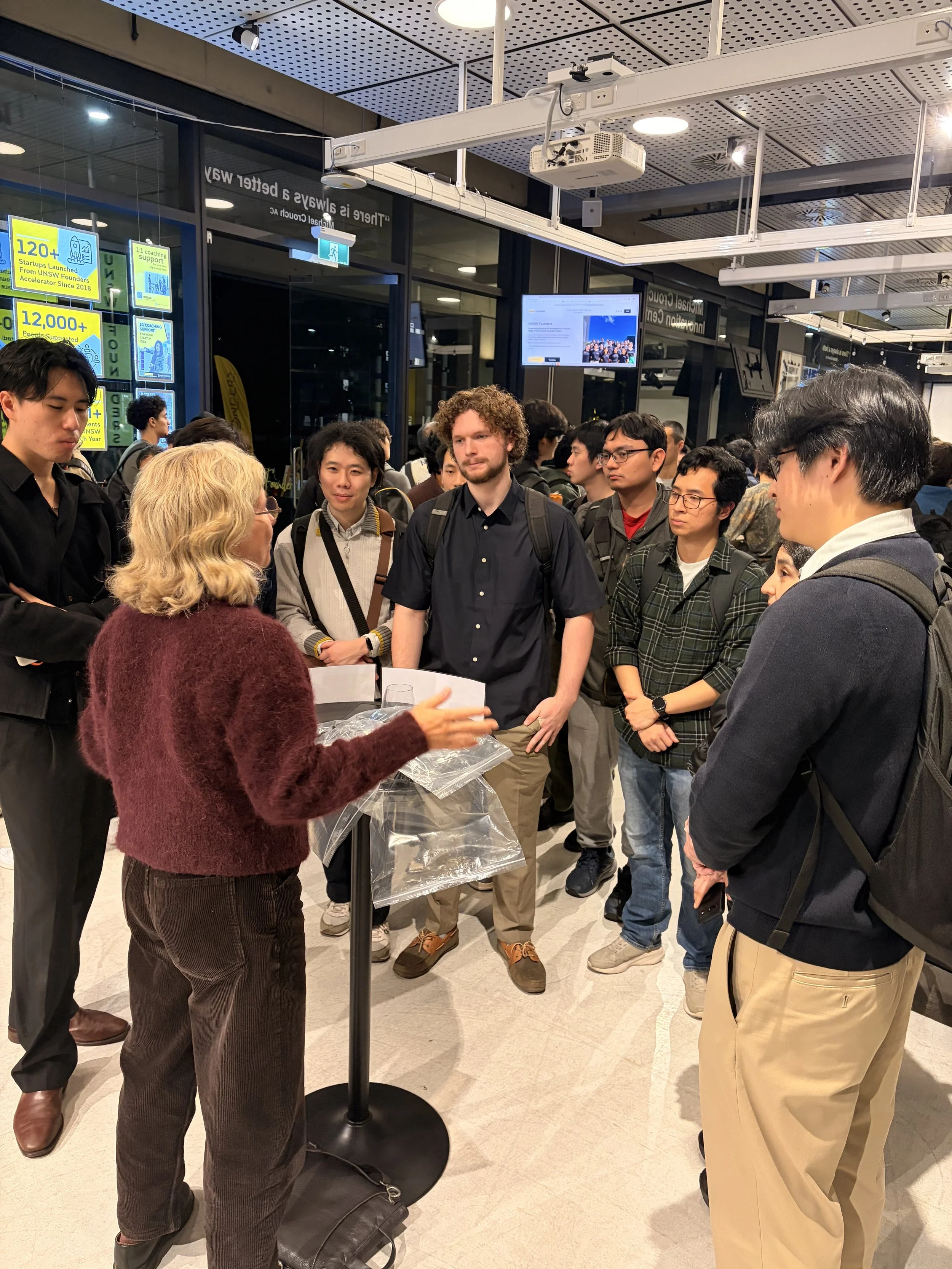
After the pitches, the room shifted quickly. Students moved toward the founders they found most compelling; conversations formed in clusters, and lines gathered. With more than a hundred students and a limited number of teams, not every conversation was possible, but the demand was unmistakable.
The Startups That Took the Stage
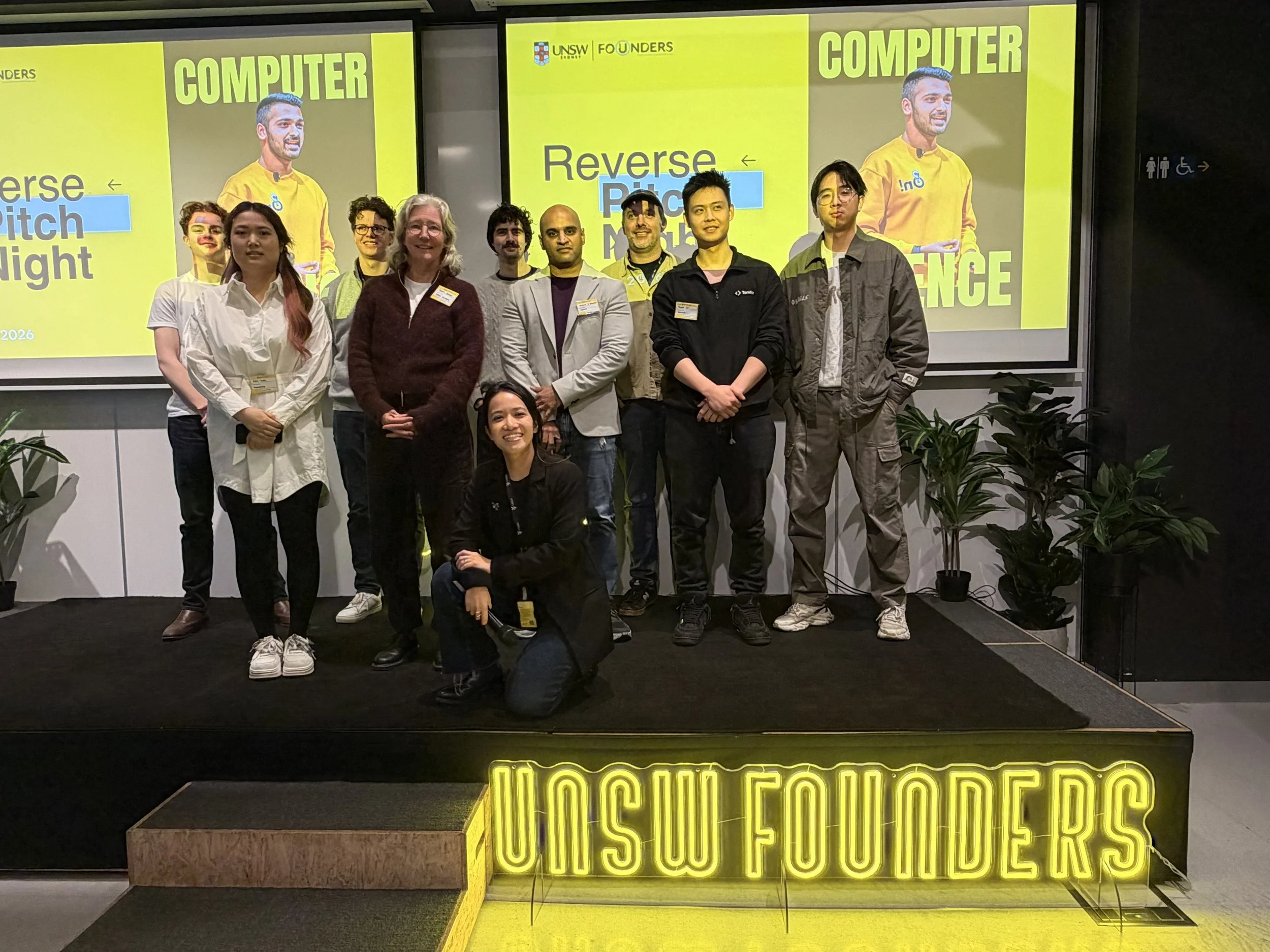
The evening featured a mix of UNSW Founders portfolio companies, alumni-led ventures and early-stage startups seeking technically ambitious students.
Edify is building a platform to support daily study and lecture revision with international students.
Automi automates the creation of regulatory and brand packaging assets for the pharmaceutical, medical device, and consumer packaged goods industries.
Composite Sydney is advancing large-scale robotic 3D printing using recycled plastics for the built environment, combining automation, computational design and AI-driven workflows.
Holodata develops applied AI systems across legal, finance, compliance, and healthcare contexts.
Rhombus AI is building agentic data platforms that enable organisations to extract usable intelligence from complex datasets.
Clave Systems makes fine-grained end-to-end encryption practical for organisations and agencies that cannot rely on servers, databases, cloud accounts, or administrators as ultimate points of trust.
Tendor is rethinking tendering workflows through automation and AI-driven pipeline management.
Vixia is deploying AI-powered quality control systems for manufacturing through edge-based computer vision.
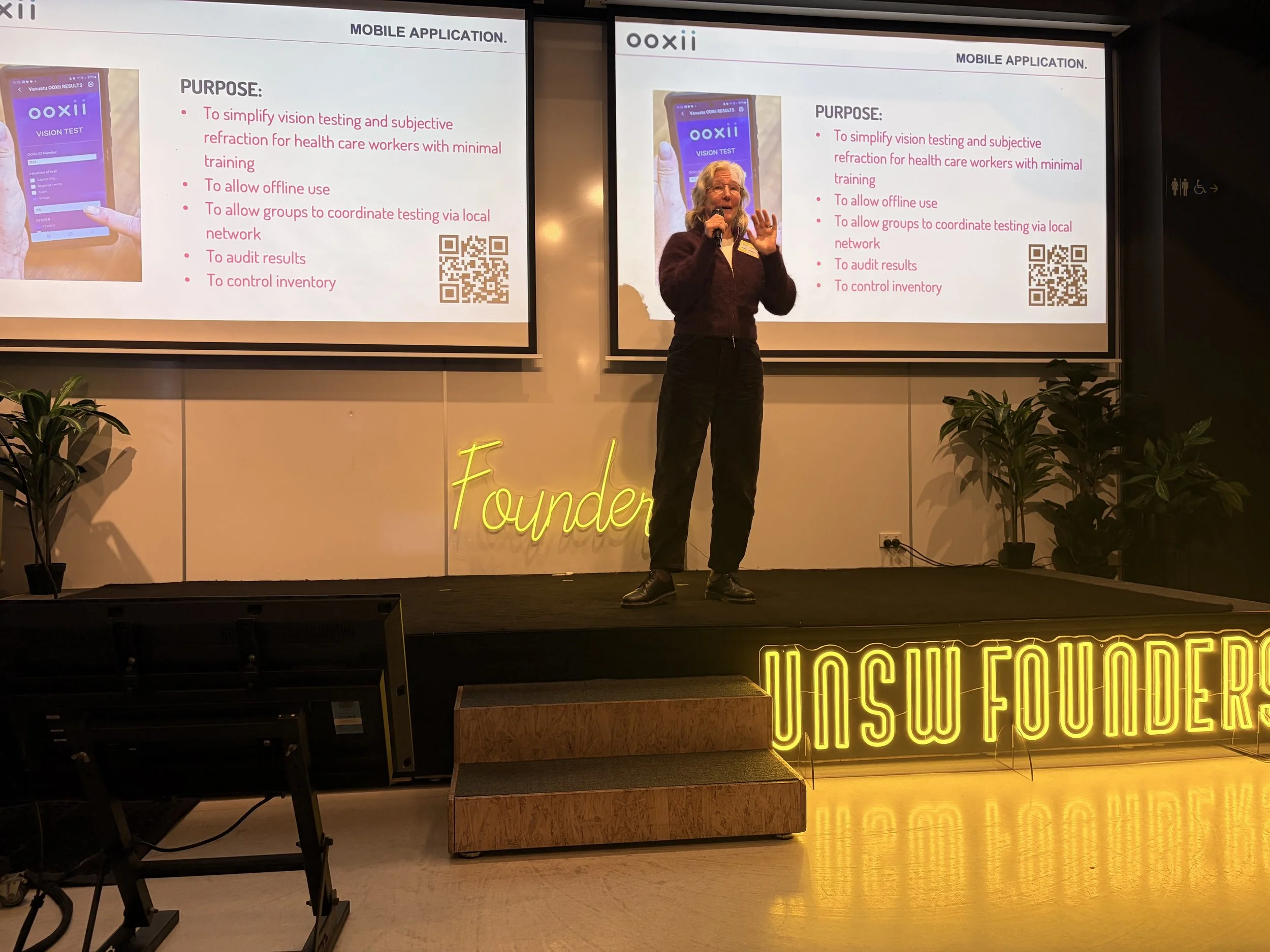
Ooxii is improving access to vision care in remote or developing nations through more accessible testing and digital tools.
Taken together, the group illustrated something broader than a hiring opportunity. They showed the range of problems currently being tackled by startups; and the extent to which those problems require technical talent now.
Building Experience Before Graduation
What distinguished the evening was not only who was present, but what was being offered.
Students were not being asked to observe. They were being invited to build: production systems, AI workflows, cybersecurity tools, healthcare applications and manufacturing processes.
This distinction is increasingly important.
Students do not only need credentials. They need evidence; evidence of building, of collaborating, of navigating ambiguity, of contributing to outcomes that extend beyond coursework.
Startup environments compress that timeline. They require ownership early and reward initiative quickly.
For UNSW Founders, this is the underlying objective. Supporting students is not limited to helping them secure roles. It also involves helping them understand how work itself is evolving; and where opportunity is moving.
From Working in a Startup to Building One
Running through the evening was a quieter idea: proximity to startups often shifts perspective.
For some students, the next step will be an internship. For others, a role after graduation. But for a subset, exposure to early-stage companies becomes a starting point.
Hayden Smith alluded to this shift directly. When capability becomes more accessible and the barriers to building decrease, the distinction between joining a company and starting one begins to narrow.
UNSW Founders exists within that space. Its role is not only to connect students to startups, but to support those who choose to build their own.
More Bridges Between Students and Startups
If the evening made anything clear, it is that interest is not the constraint. Students are actively seeking ways to engage with startups, and startups are equally motivated to find people who can contribute meaningfully from the outset.
The challenge AND the opportunity IS connection.
UNSW Founders will continue to create those points of intersection: through events, programs, internships and pathways that reflect how work is changing.
Because the future of work is unlikely to be defined solely by the largest employers.
It will also be shaped by smaller teams, faster cycles and individuals willing to build, often before they are told they are ready.