
Scientific discoveries often begin with curiosity…
and sometimes, that curiosity leads to a business.

While studying physics at UNSW, Dave Monaghan became interested in how technology could help us better capture and interact with the physical world. Like a lot of great ideas, it started with a problem worth solving and the technical know-how to do something about it.
For Dave, the question wasn’t just academic. It was the beginning of a journey from student to founder.
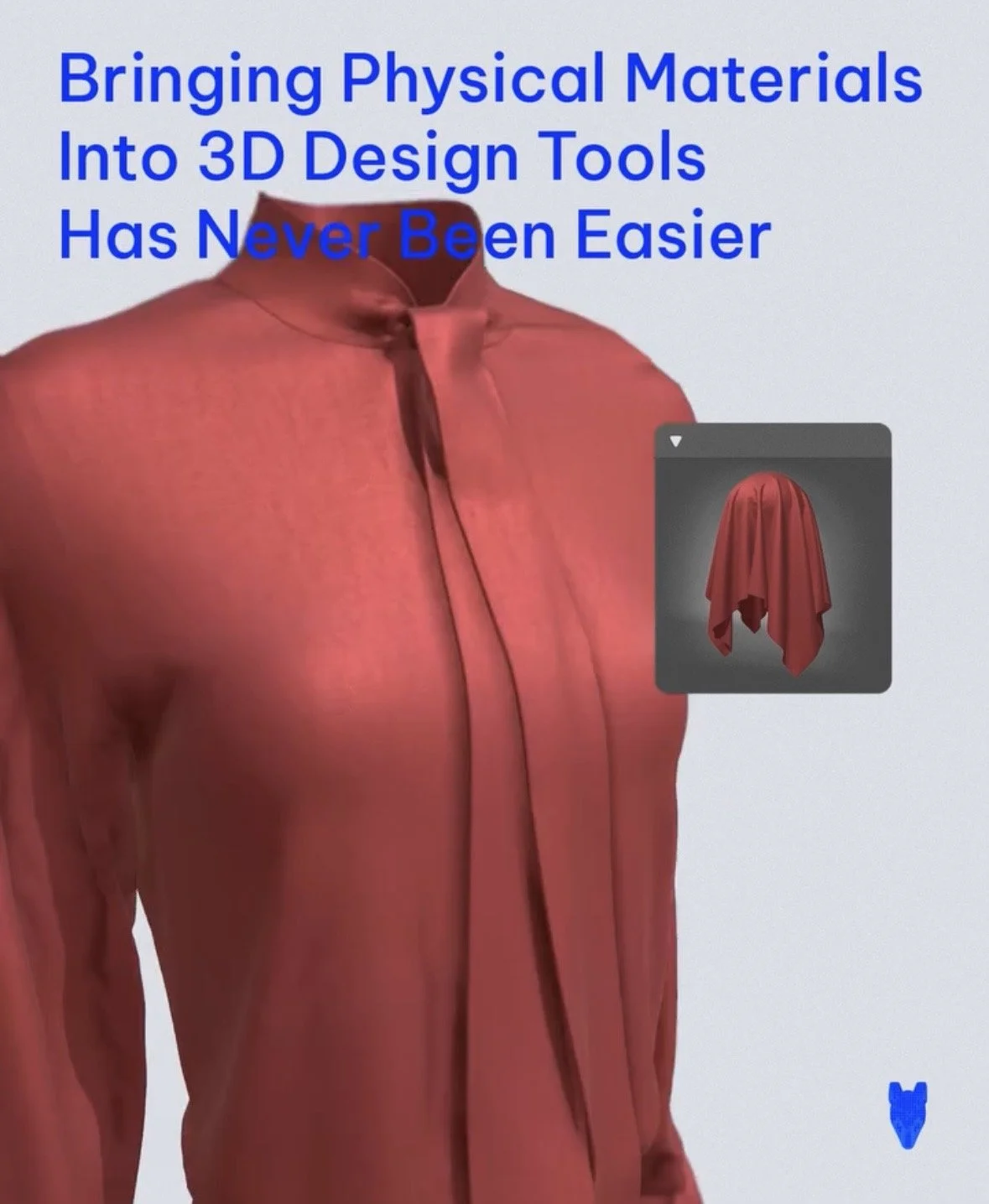


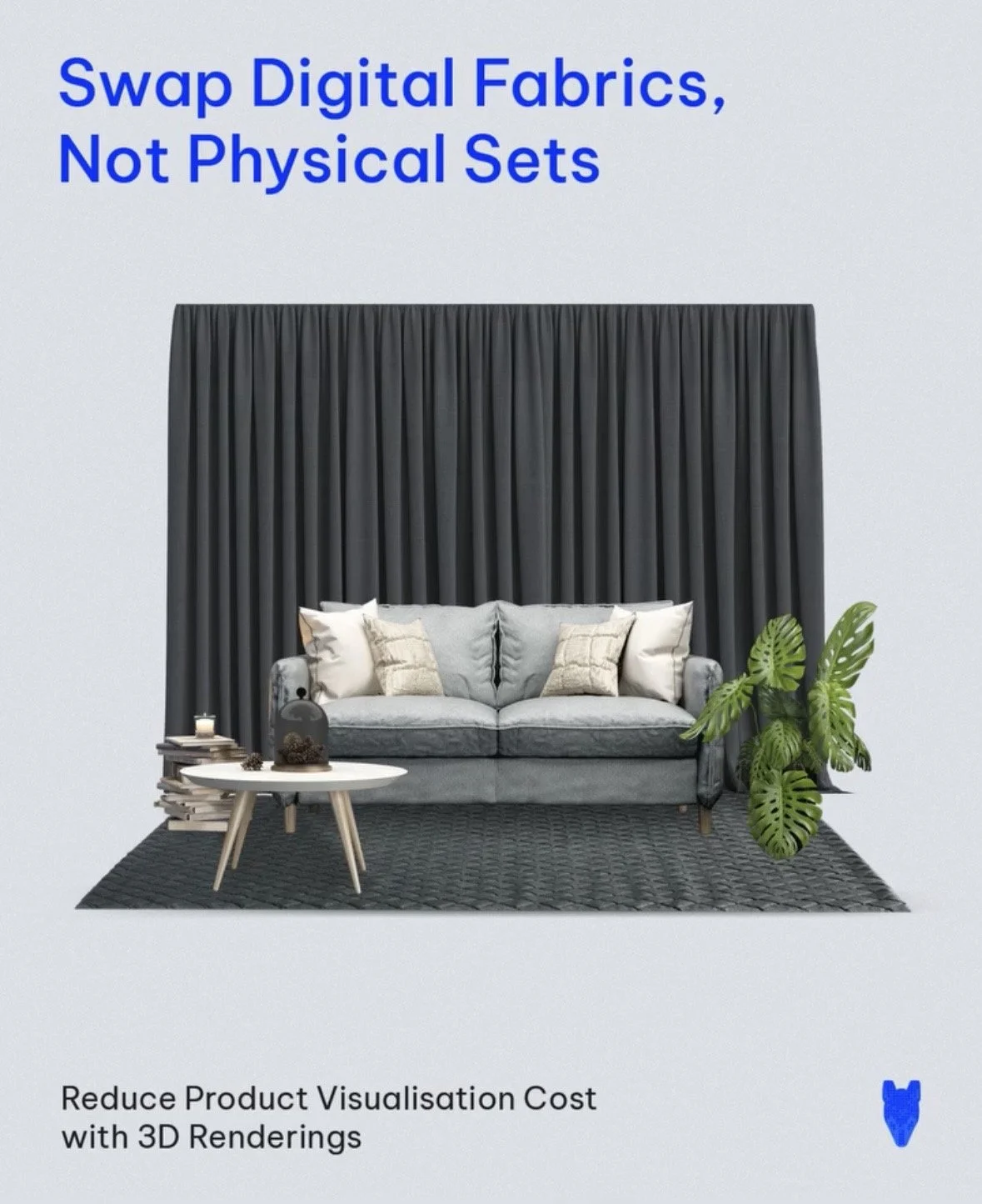
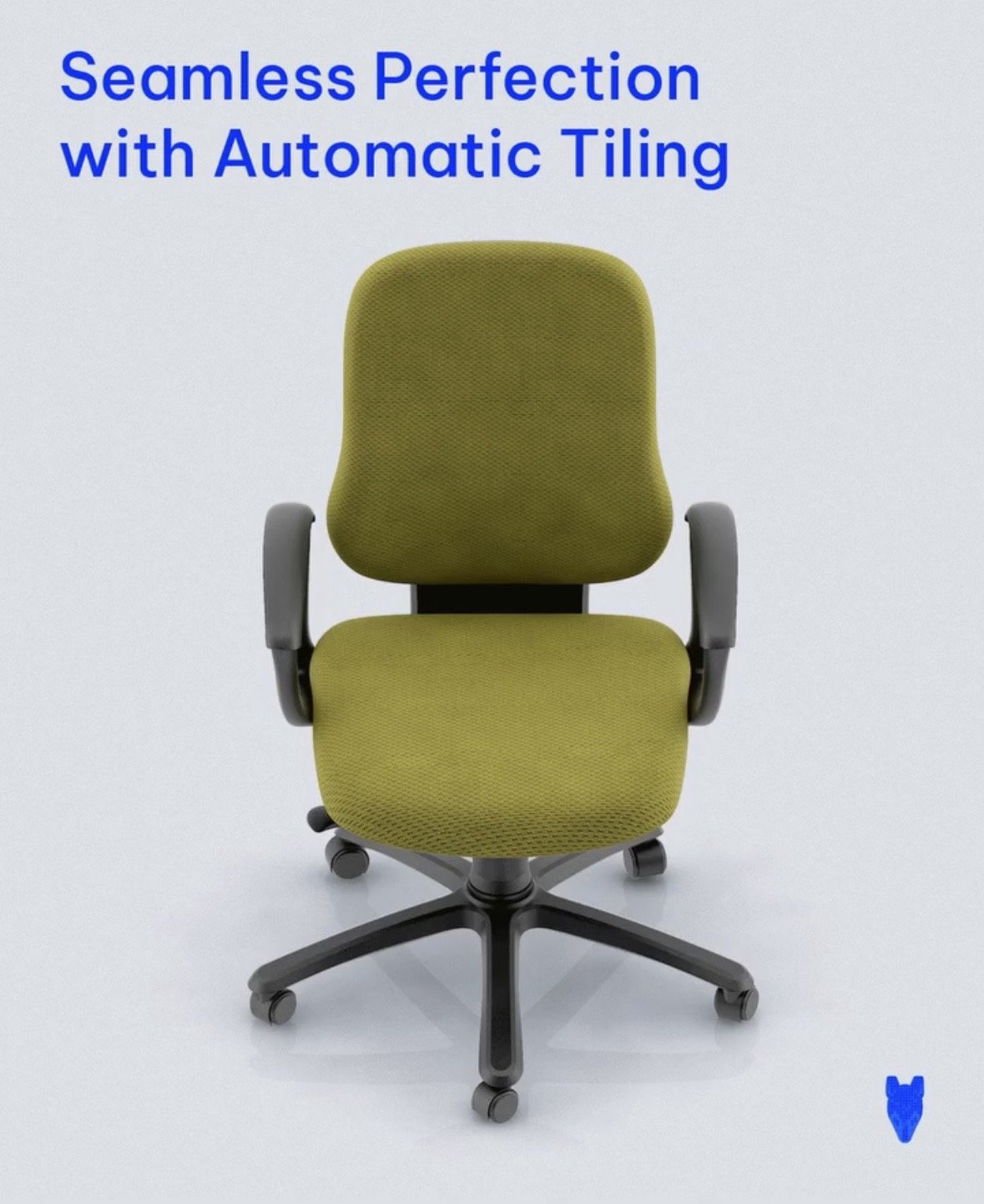
That curiosity led him to co-found Bandicoot Imaging a company developing advanced imaging technology that creates accurate 3D digital twins of physical fabrics, used by fashion and furnishing brands around the world to design, sample, and sell their products virtually.
The problem they’re solving is more significant than it might first appear.
Online fashion retailers have long struggled to convey what a material actually look and feel like.
Nearly a third of all online returns happen because a product looked different on the website than it did in real life. Bandicoot’s technology captures not just colour, but texture, giving shoppers a far more accurate picture before they buy, and giving brands a faster, more sustainable way to work.

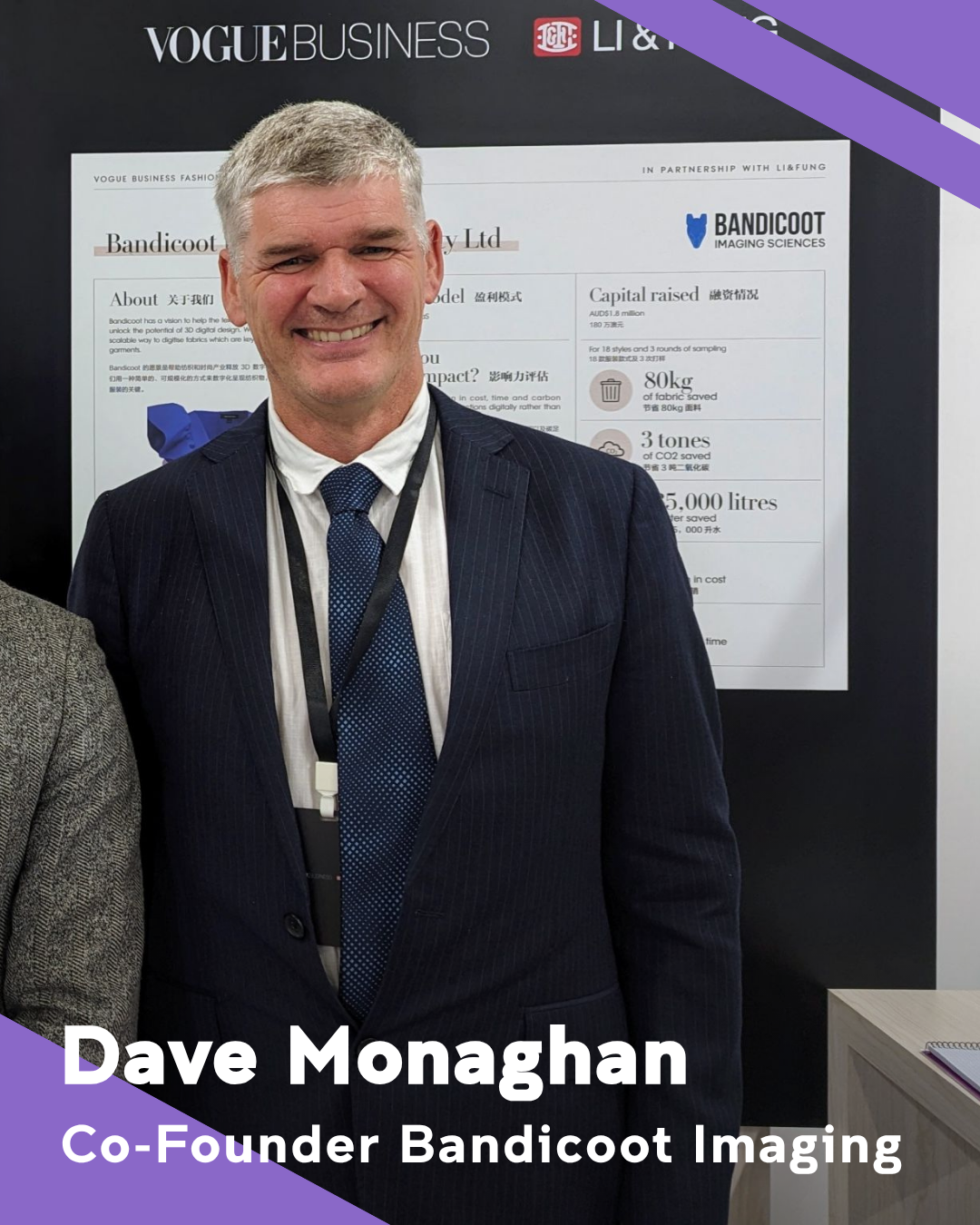
What started as curiosity at university has grown into a venture operating at the intersection of science, technology, and fashion.
His path is a reminder that the skills developed through a science degree are exactly the kind of thinking the world needs more of in entrepreneurship.
You don’t need to have all the answers on day one.
You just need to be willing to ask the right questions and take the first step.
That’s exactly what the Peter Farrell Cup is designed for.
UNSW’s flagship student startup competition gives students a structured space to take an early idea and pressure-test it, with mentorship, resources, and a community of like-minded people behind you.
Whether your idea is fully formed or still just a question you can’t stop thinking about, the Peter Farrell Cup is where you find out what it could become.
If you’re a student who’s always asking questions or thinking about new ways to apply what you’re learning, this is your moment.